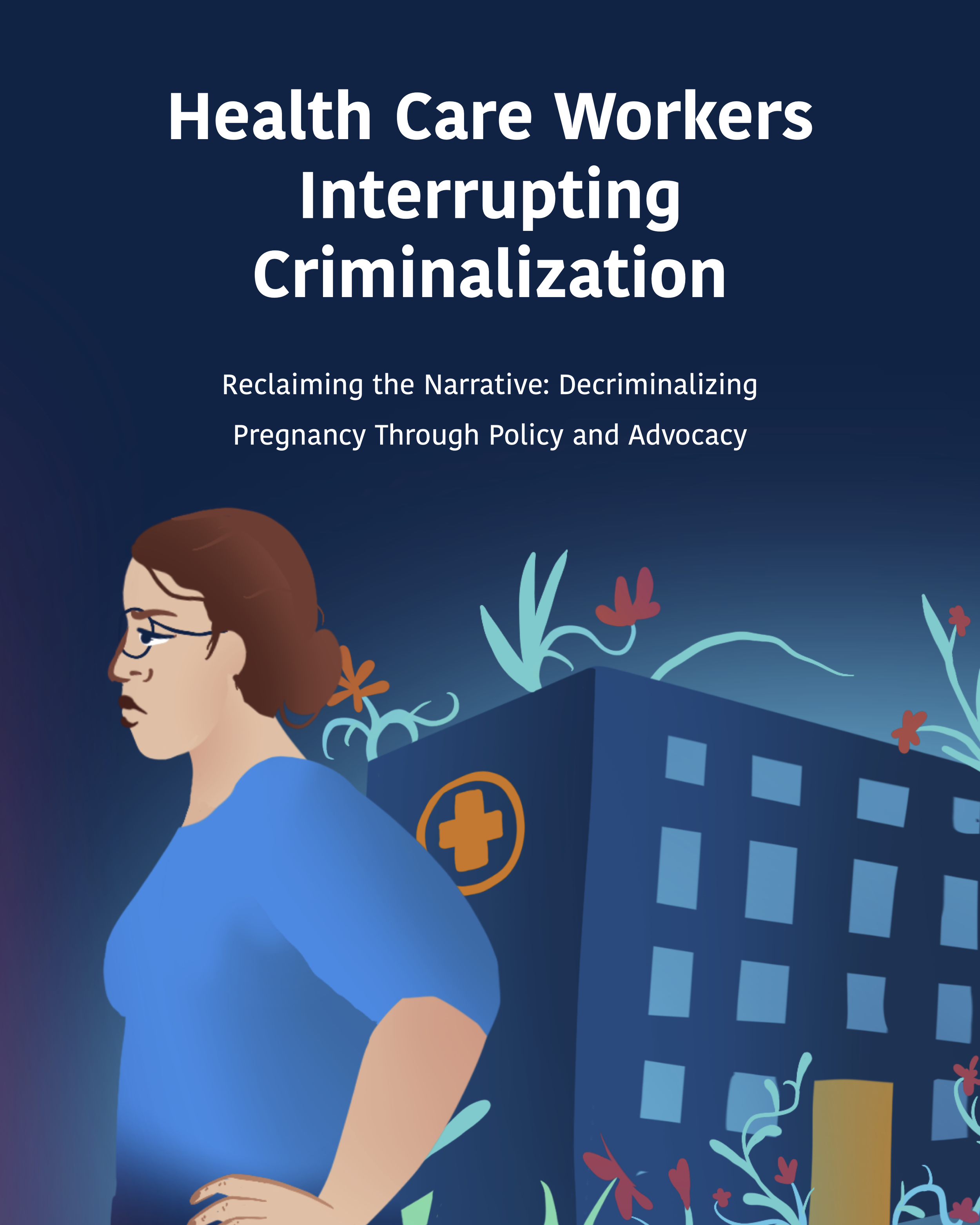
BDNH Storytelling Project: Reclaiming the Narrative: Decriminalizing Pregnancy Through Policy and Advocacy
In this zine and audio story, a patient advocate who was central to passing the Reproductive Health Act (RHA) discusses the limits of legislative interventions in securing access to abortion care, and the importance of challenging criminalization at any stage of pregnancy. This story is part of the Beyond Do No Harm’s Storytelling Media Project.
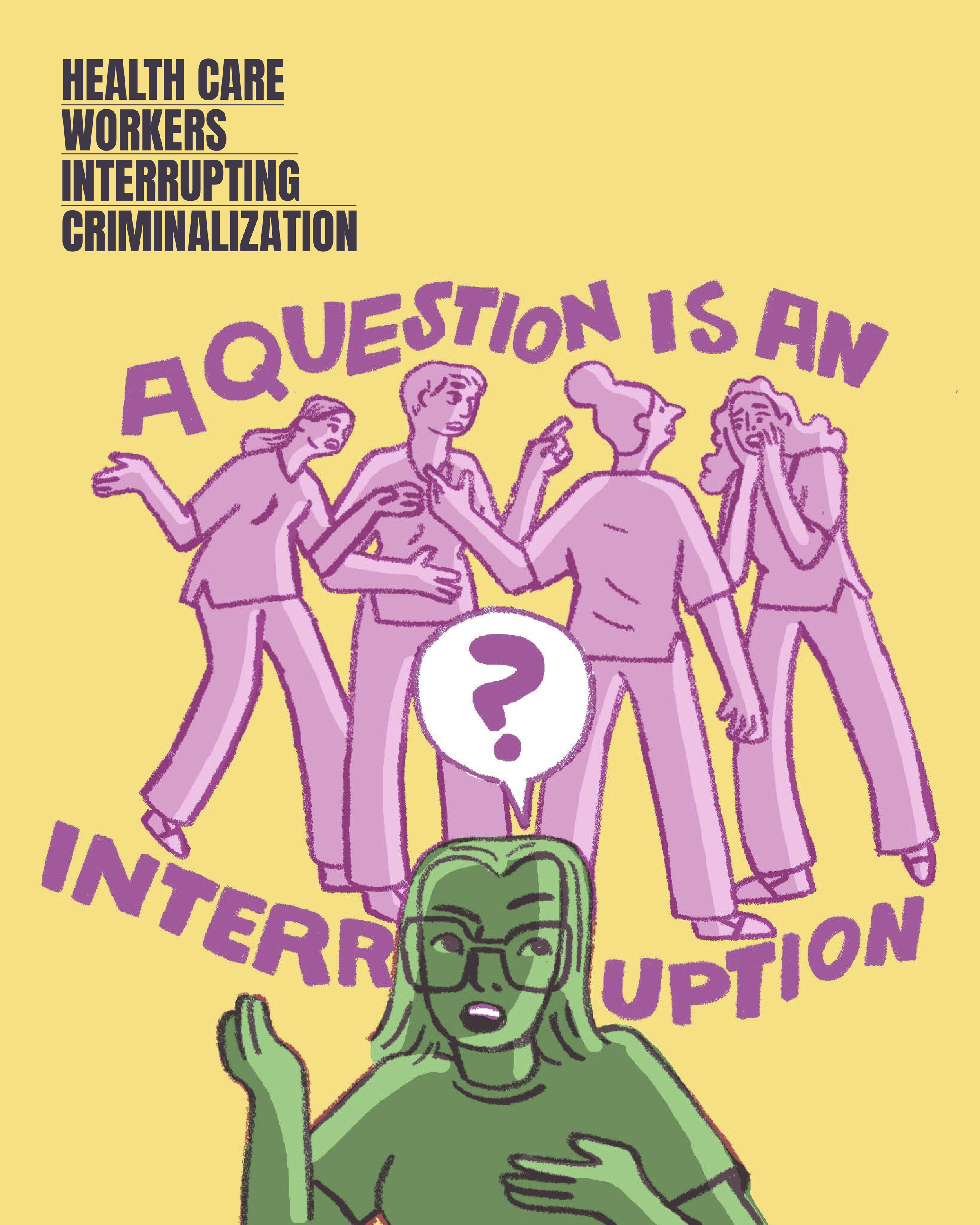
BDNH Storytelling Project: A Question is an Interruption
In this zine and audio story, a medical student in California prevents security from being called on a patient's family member, emphasizing the importance of speaking up and asking questions. This story is part of the Beyond Do No Harm’s Storytelling Media Project.

BDNH Storytelling Project: Fighting Housing Injustice and Detention Through Medical Advocacy
In this zine and audio story, a primary care physician in New York shares a strategy she uses to advocate for patient care while organizing for housing equity and migrant justice. This story is part of the Beyond Do No Harm’s Storytelling Media Project.
BDNH Storytelling Project: The Right to Dignity: Securing Compassionate Release for Incarcerated People
In this zine and audio story, a physician in Georgia utilizes compassionate release as a strategy to advance care for in-custody patients. This story is part of the Beyond Do No Harm’s Storytelling Media Project.
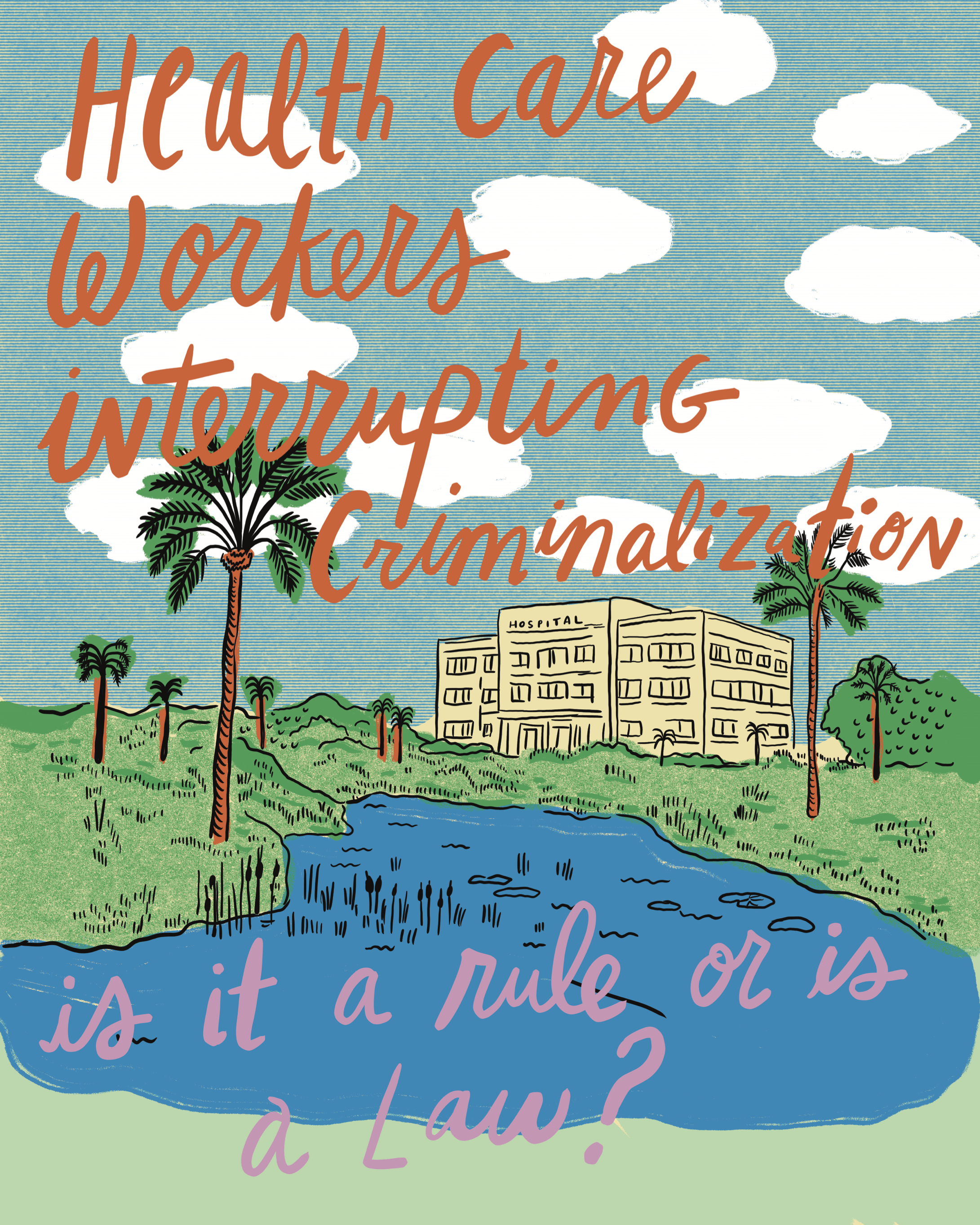
BDNH Storytelling Project: Is it a Rule or is it a Law?
In this zine and audio story, a resident physician in Florida discusses the importance of pushing back against cruel rules and policies in hospitals that impact care for incarcerated patients. This story is part of the Beyond Do No Harm’s Storytelling Media Project.
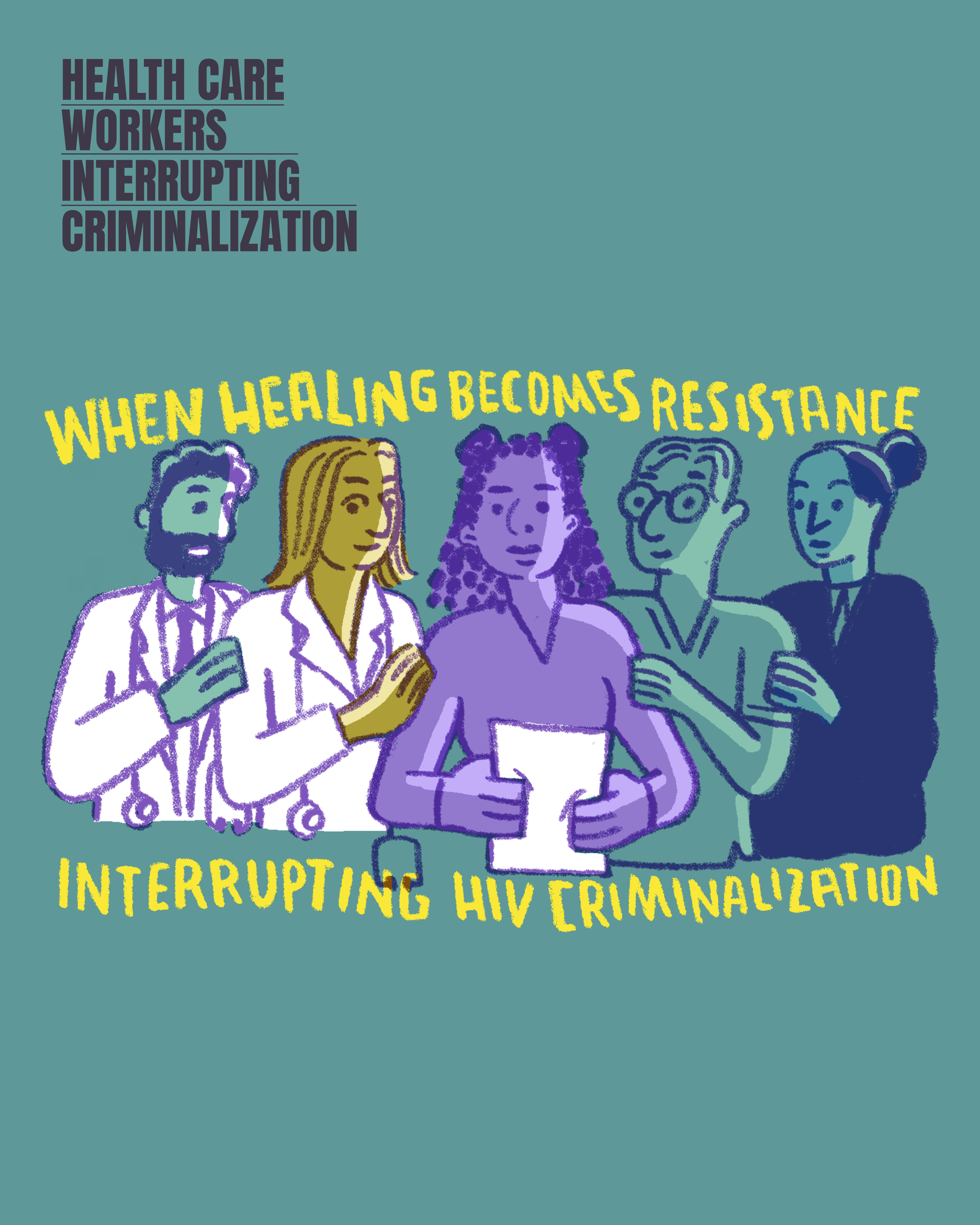
BDNH Storytelling Project: When Healing Becomes Resistance: Interrupting HIV Criminalization
In this zine and audio story, an advocate and an attorney share an intimate story about the power of community and policy, and the role of health care providers in the movement to end HIV criminalization. This story is part of the Beyond Do No Harm’s Storytelling Media Project.
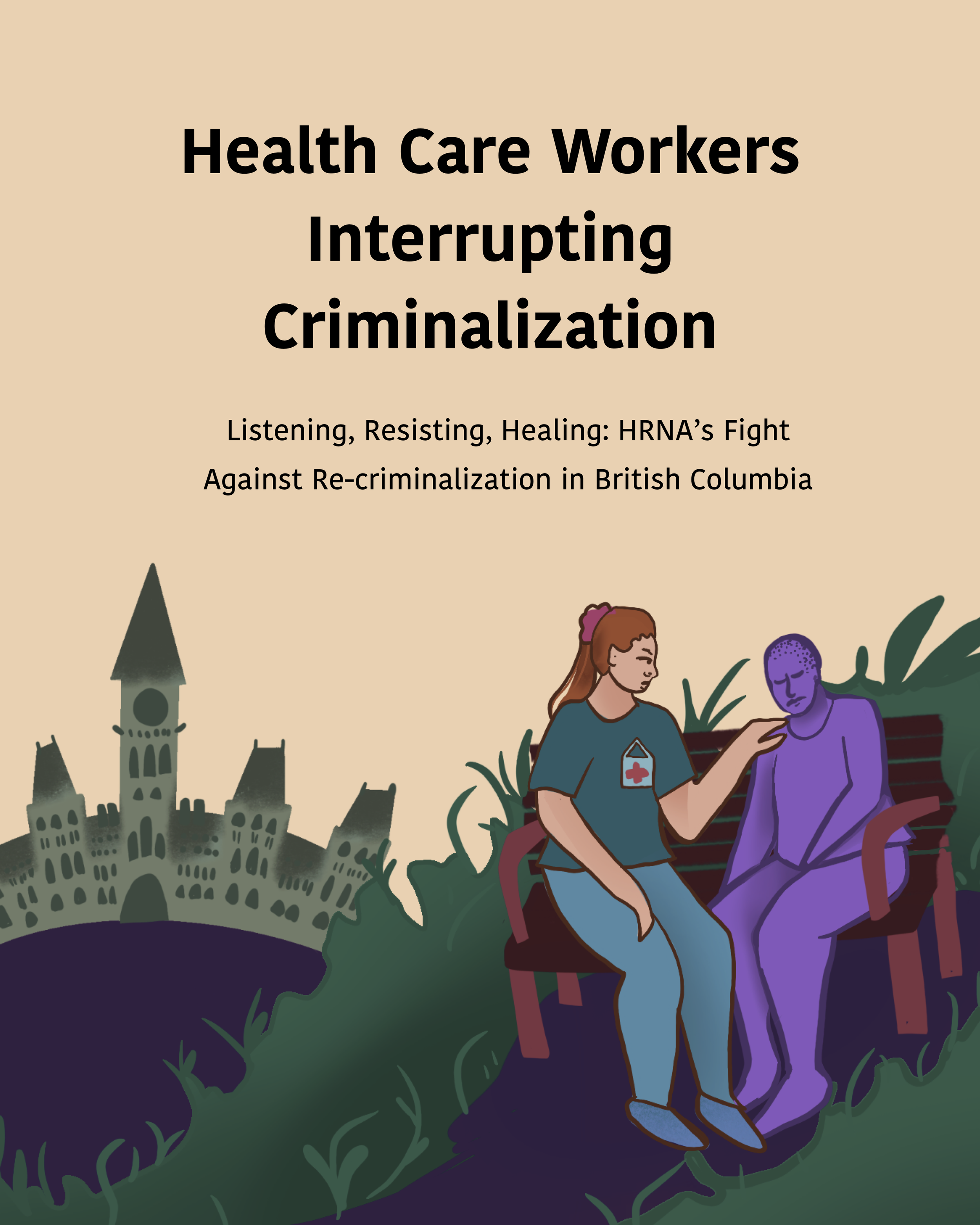
BDNH Storytelling Project: Listening, Resisting, Healing: HRNA's Fight Against Recriminalization in British Columbia
In this zine and audio story, a harm reduction nurse in Canada leads his community in a fight against Bill 34, which would re-criminalize public drug use. This story is part of the Beyond Do No Harm’s Storytelling Media Project.

BDNH Storytelling Project: On the Consequences of Policing Patient Behavior in the Hospital
In this zine and audio story, a physician at a community health center challenges the policing of his patients by offering a harm reduction-based approach to care. This story is part of the Beyond Do No Harm’s Storytelling Media Project.

BDNH Storytelling Project: Restorative Justice as an Alternative to Firing a Patient
In this zine and audio story, a physician in Massachusetts prevents a patient from being dismissed from his practice by implementing a restorative justice process. This story is part of the Beyond Do No Harm’s Storytelling Media Project.
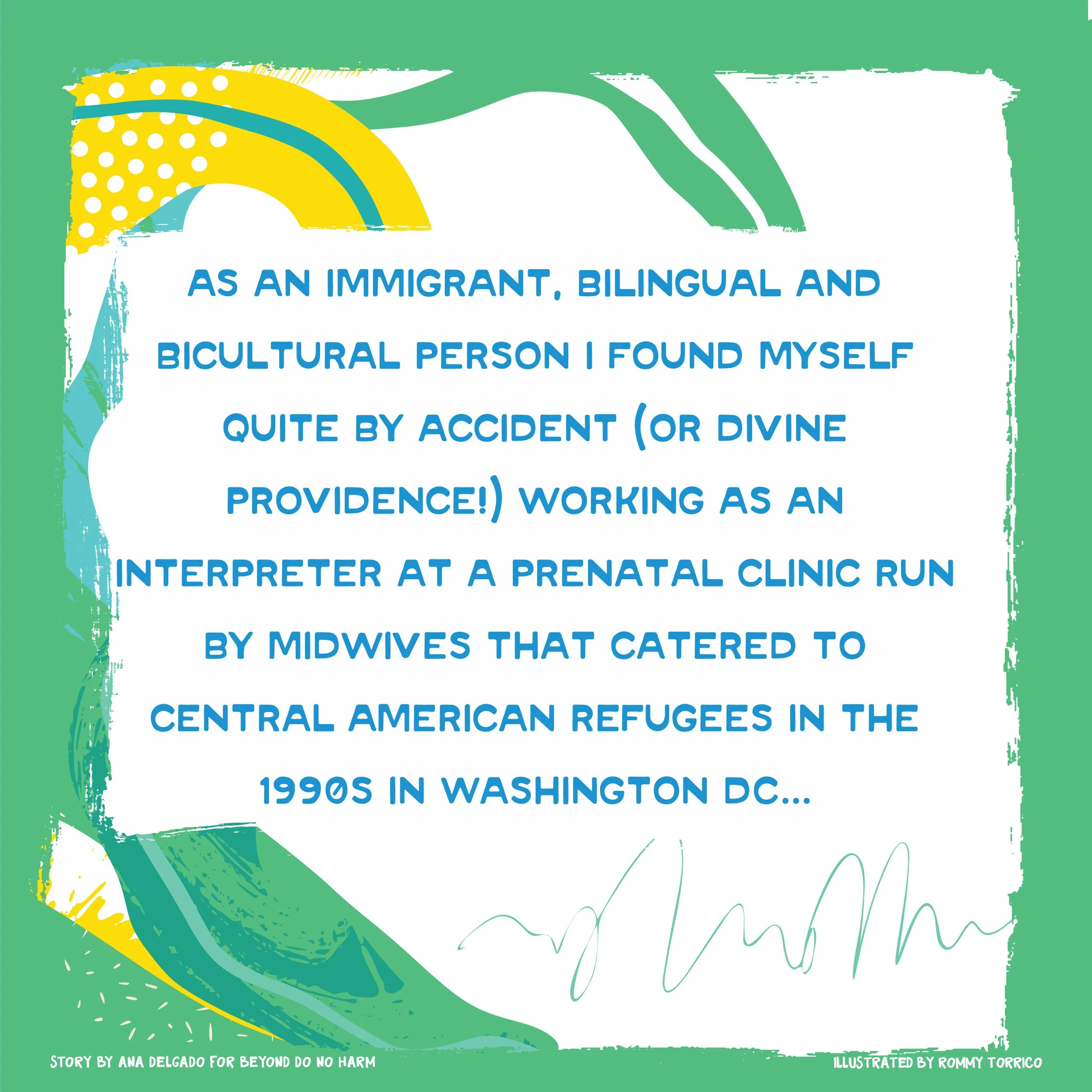
BDNH Storytelling Project: Nurse Midwife
In this zine and audio story, a nurse midwife helps a patient navigate family court and Child Protective Services so the patient can keep her child. This story is part of the Beyond Do No Harm’s Storytelling Media Project.

BDNH Storytelling Project: Medical Doctor and Transgender Patient
In this zine and audio story, a medical doctor talks with her transgender patient about navigating the medical system, and what medical providers can do to support transgender people. This story is part of the Beyond Do No Harm’s Storytelling Media Project.
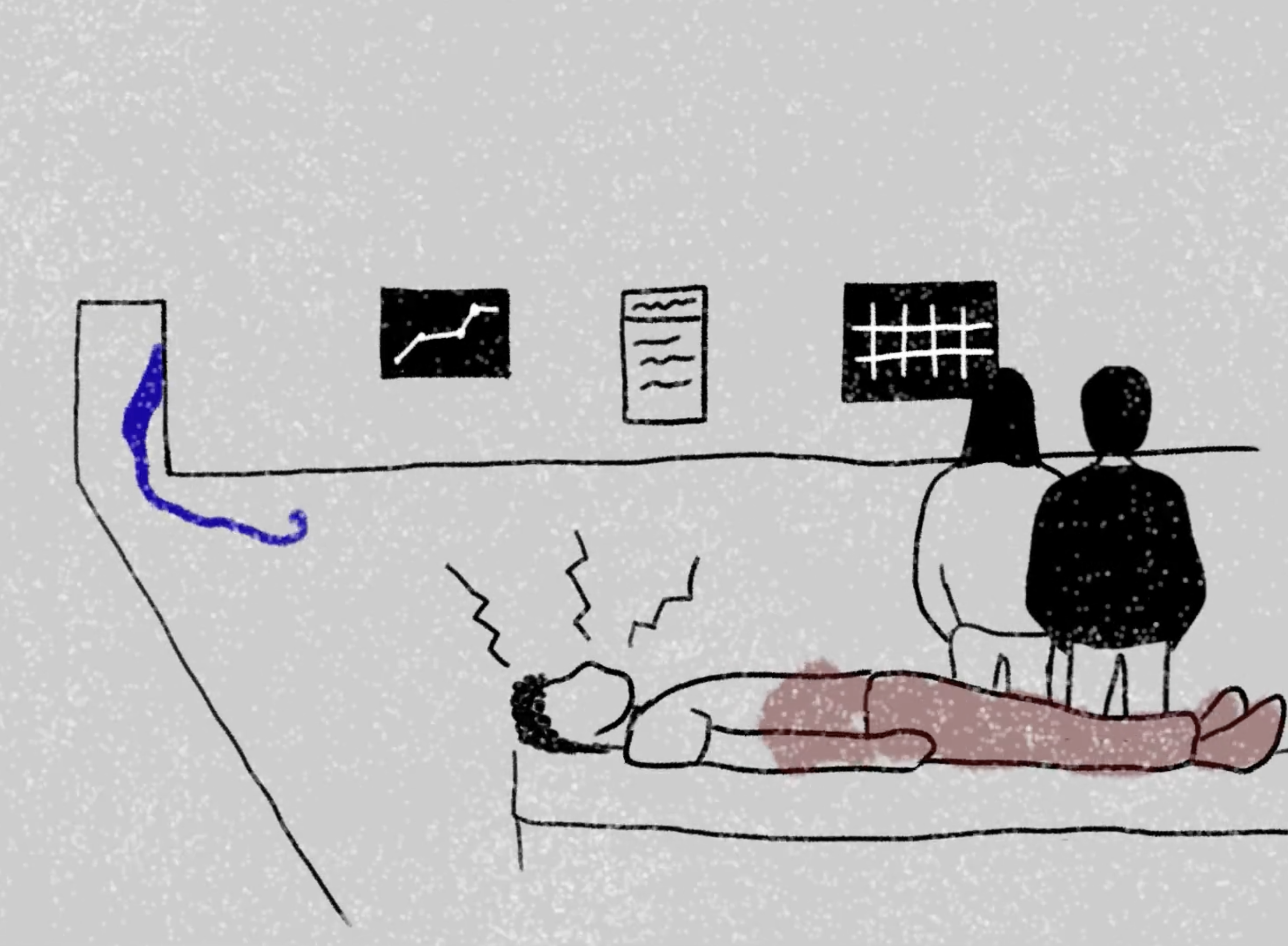
BDNH Storytelling Project: Medical Student
In this animated video and audio story, a medical student discusses the heavy police presence at his teaching hospital, and how to handle escalated situations without cops. This story is part of the Beyond Do No Harm’s Storytelling Media Project.
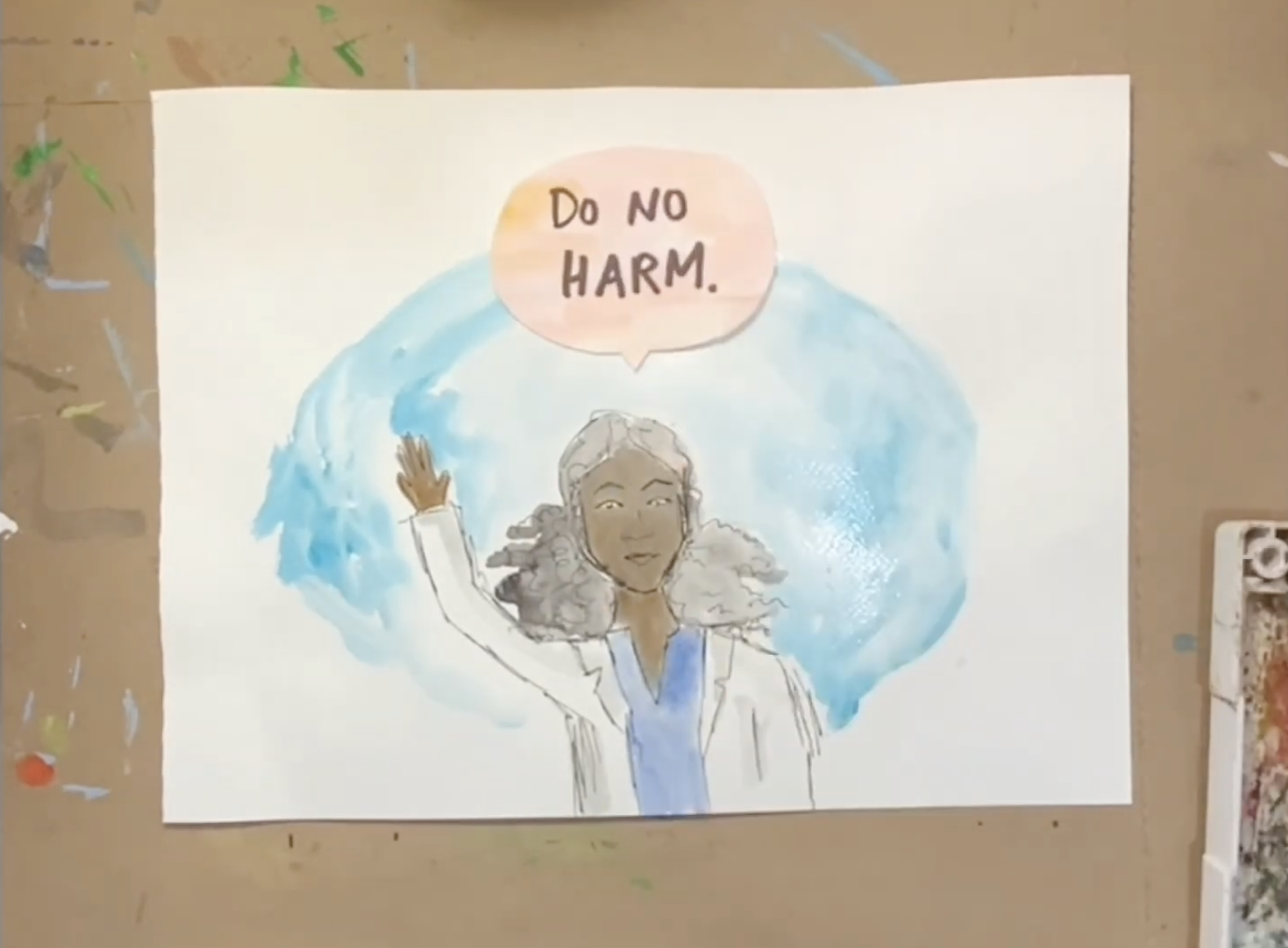
BDNH Storytelling Project: Medical Doctor
In this animated video and audio story, a medical doctor fights for an incarcerated patient to get an abortion, through multiple stages of approval and bureaucracy. This story is part of the Beyond Do No Harm’s Storytelling Media Project.

BDNH Storytelling Project: Rural EMT Worker
In this zine and audio story, a rural EMT worker handles a rapidly escalating situation between a patient and medics, centering patient care and cultural competency. This story is part of the Beyond Do No Harm’s Storytelling Media Project.

No More Police: A Case for Abolition
In this powerful call to action, New York Times bestselling author Mariame Kaba and attorney and organizer Andrea J. Ritchie detail why policing doesn’t stop violence, instead perpetuating widespread harm; outline the many failures of contemporary police reforms; and explore demands to defund police, divest from policing, and invest in community resources to create greater safety through a Black feminist lens.
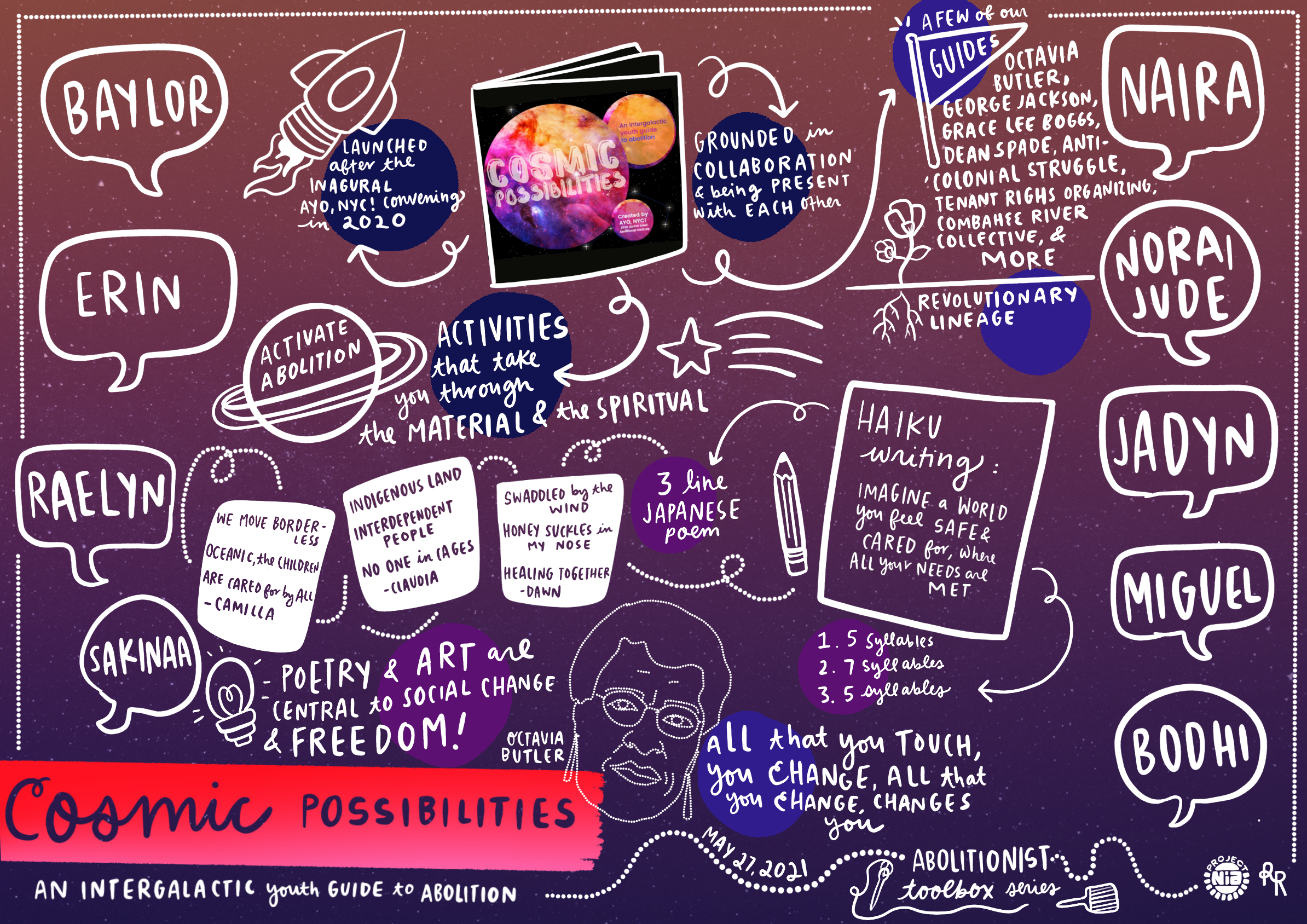
Workshop: Cosmic Possibilities
We know that abolitionist futures are possible. In order to create them, we begin by dreaming ourselves into those futures. Cosmic Possibilities is a creative and reflective dreamspace made by and for young people to imagine these liberatory new worlds. What does it look like when our abolitionist visions for the world are realized? What did it take to get us there?