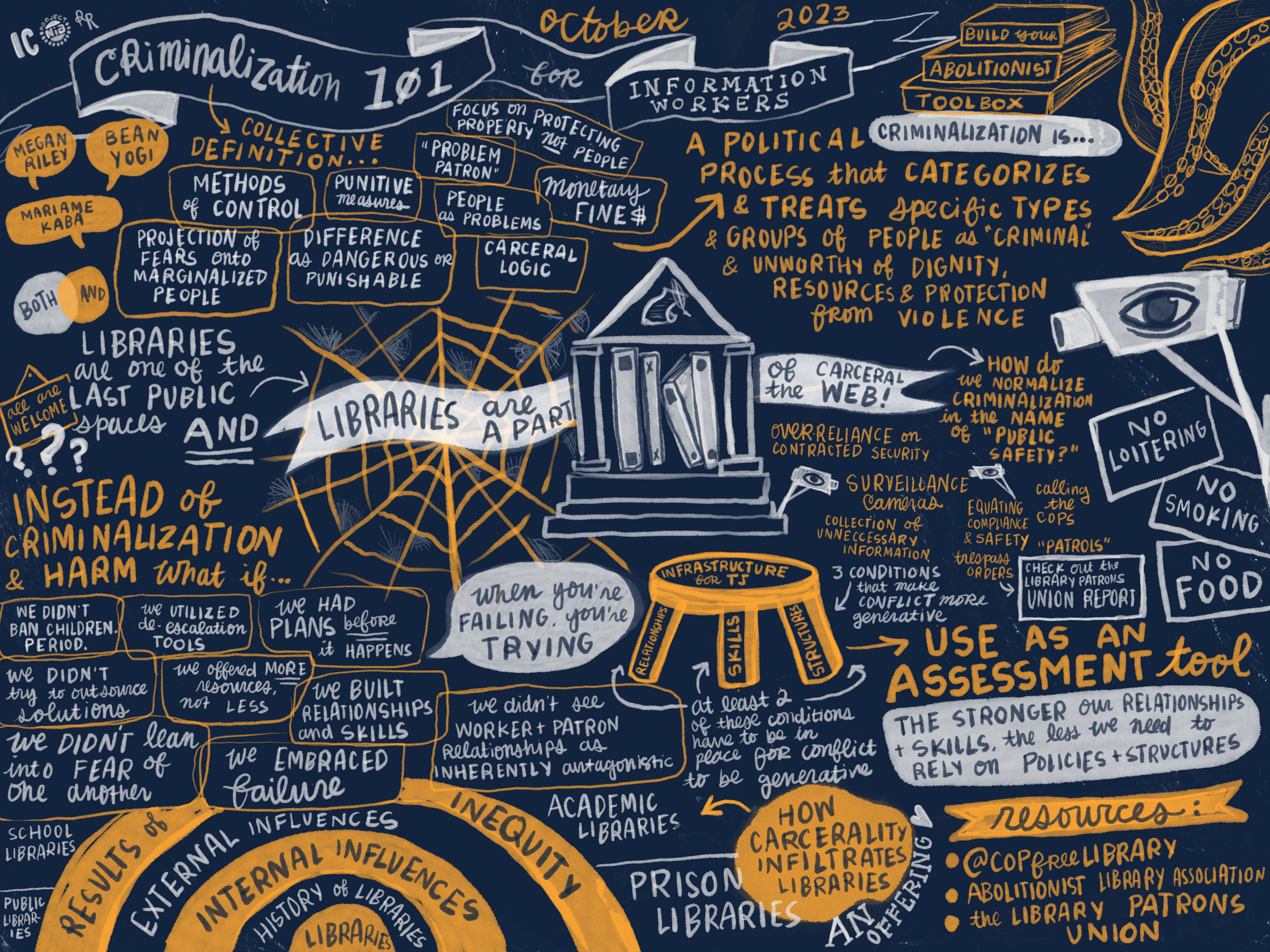
Workshop: Criminalization 101 for Information Workers
In this teach-in the For The People Leftist Library Project (FTP) covered the various intersections of libraries, library work, and criminalization, including surveillance and privacy issues, retribution against library workers, social work and social services, and more. The session included power mapping, resource-sharing, and opportunities for discussion.
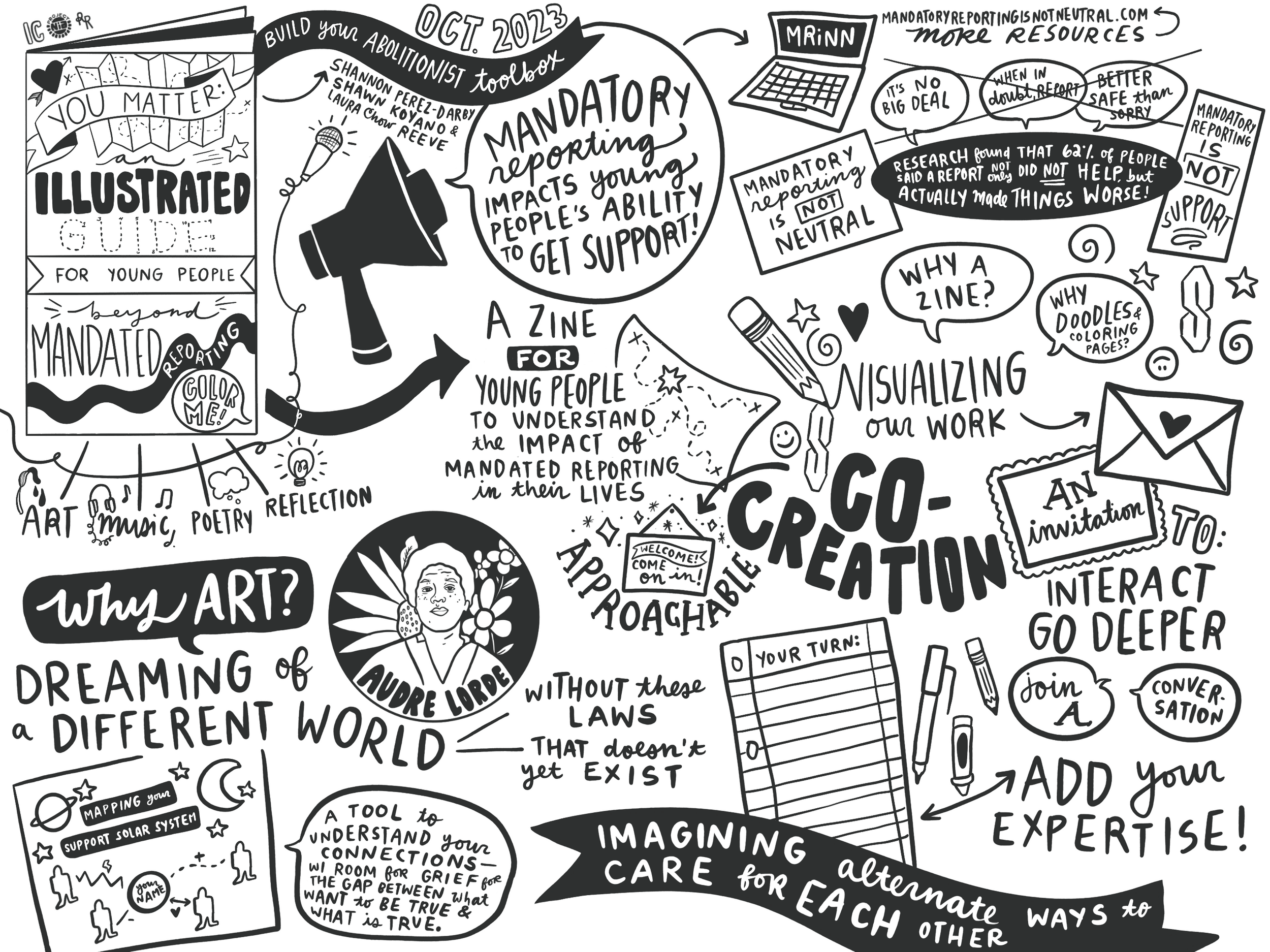
Workshop: You Matter, Young People and Mandated Reporting
The reality of mandatory reporting can make it hard for young people to know that if they reach out to adults for help will that adult have to report what you tell them? This zine helps answer the question, “What is mandatory reporting?” and helps explore what support you have, what support you need, and uses art, poetry, and music to explore what’s possible.
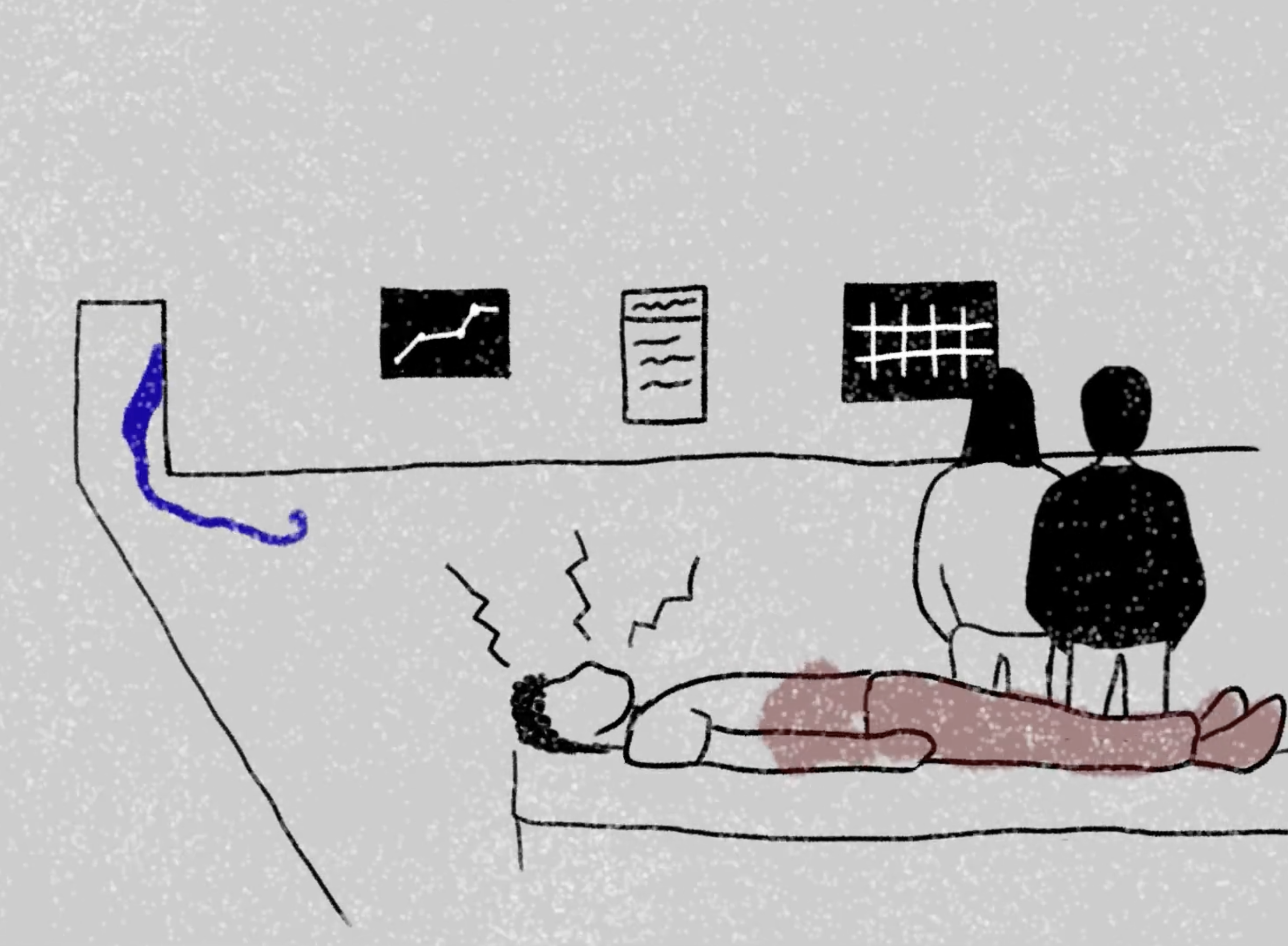
BDNH Storytelling Project: Medical Student
In this animated video and audio story, a medical student discusses the heavy police presence at his teaching hospital, and how to handle escalated situations without cops. This story is part of the Beyond Do No Harm’s Storytelling Media Project.
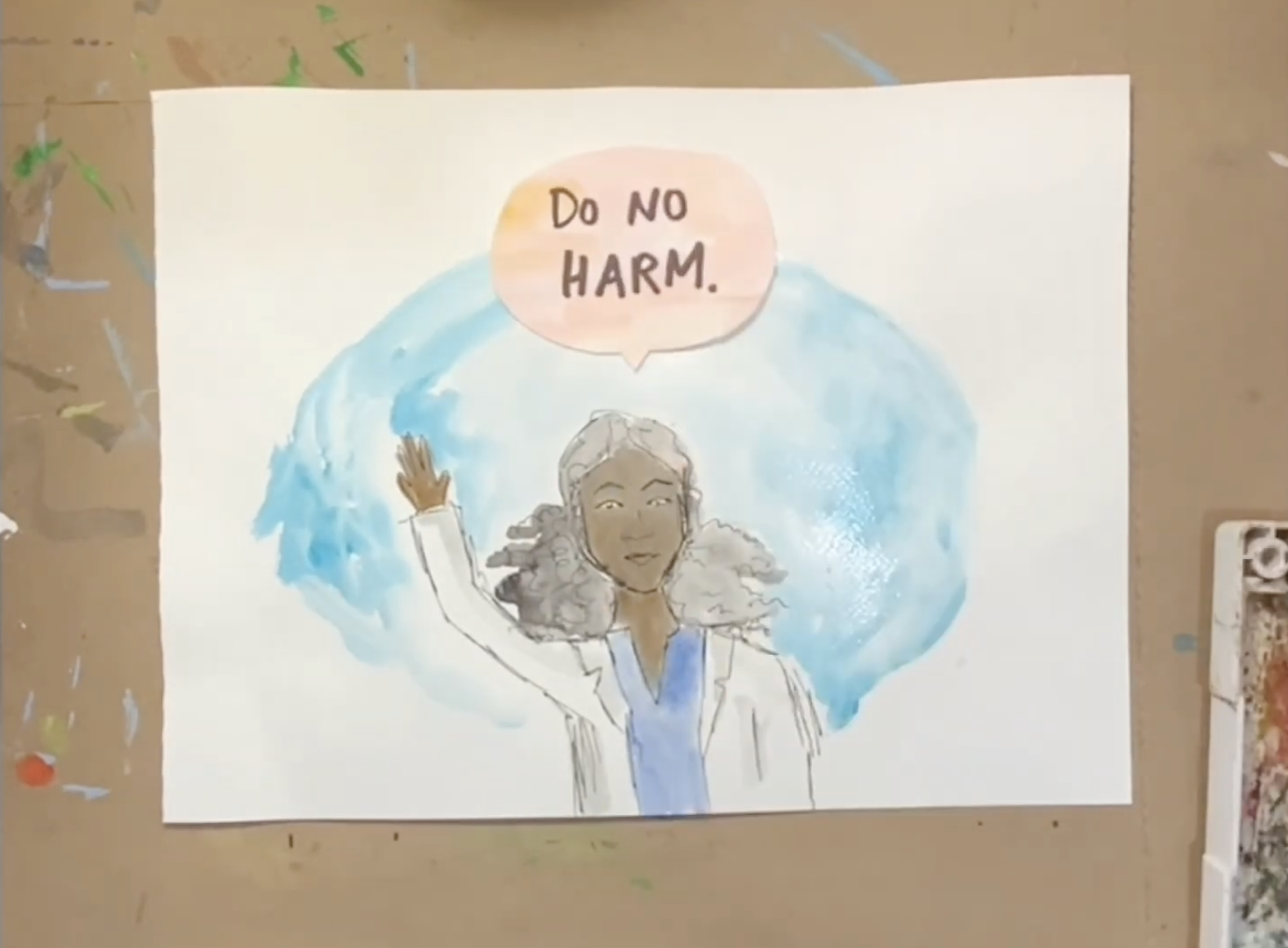
BDNH Storytelling Project: Medical Doctor
In this animated video and audio story, a medical doctor fights for an incarcerated patient to get an abortion, through multiple stages of approval and bureaucracy. This story is part of the Beyond Do No Harm’s Storytelling Media Project.
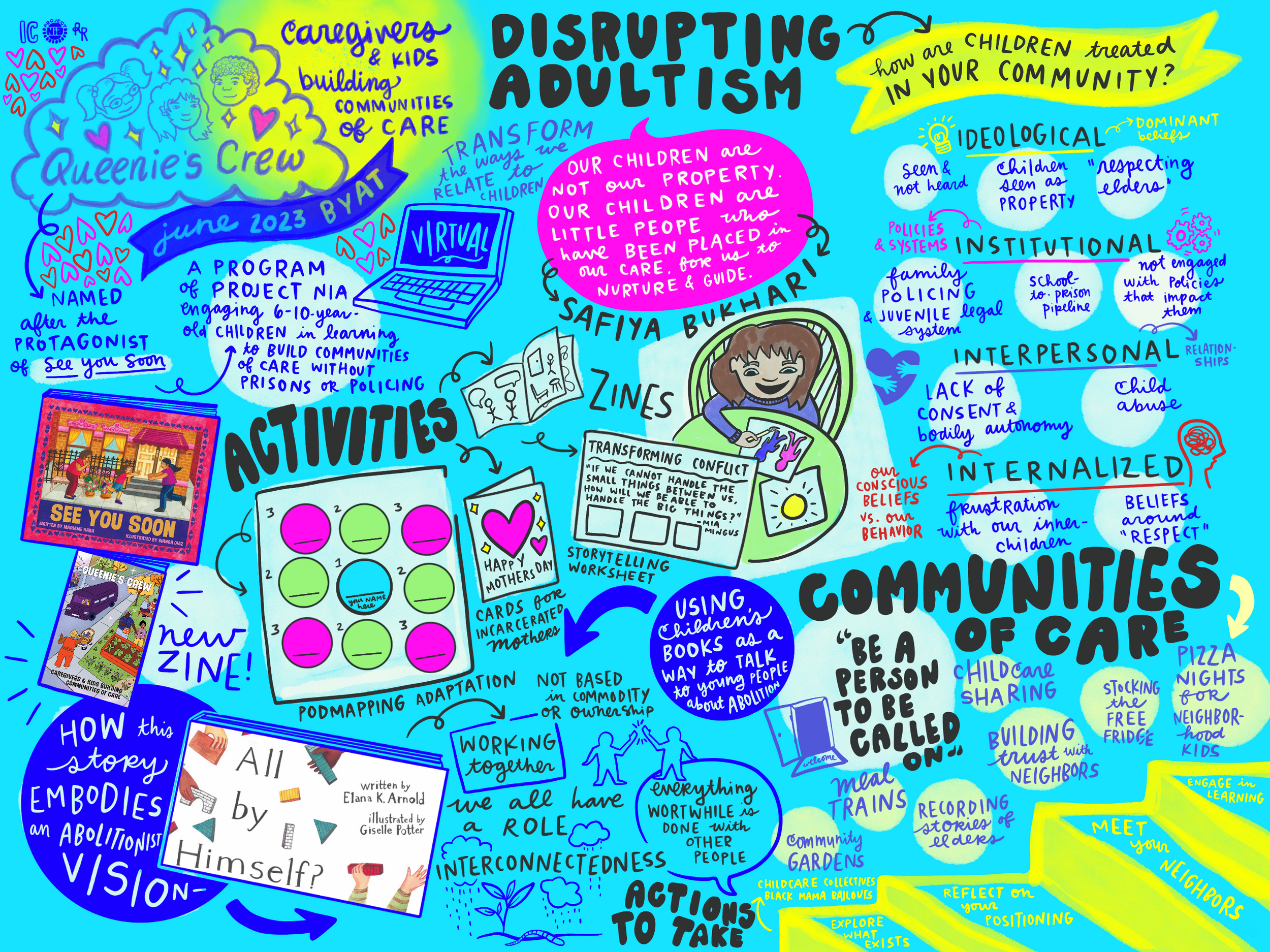
Workshop: Caregivers & Kids Building Communities of Care
In this edition of BYATB, Mariame Kaba and zara raven will discuss Queenie’s Crew, an experiment in supporting kids and caregivers in learning about abolition through monthly activities, books, events, and discussions. We’ll share tangible actions that people can take toward building communities of care with children in the spaces where you are. We’ll also invite participants to share about some of the ways they are already building these communities, discuss the barriers and challenges that arise along the way, and offer specific resources to support folks in learning to build abolitionist, intergenerational communities of care.
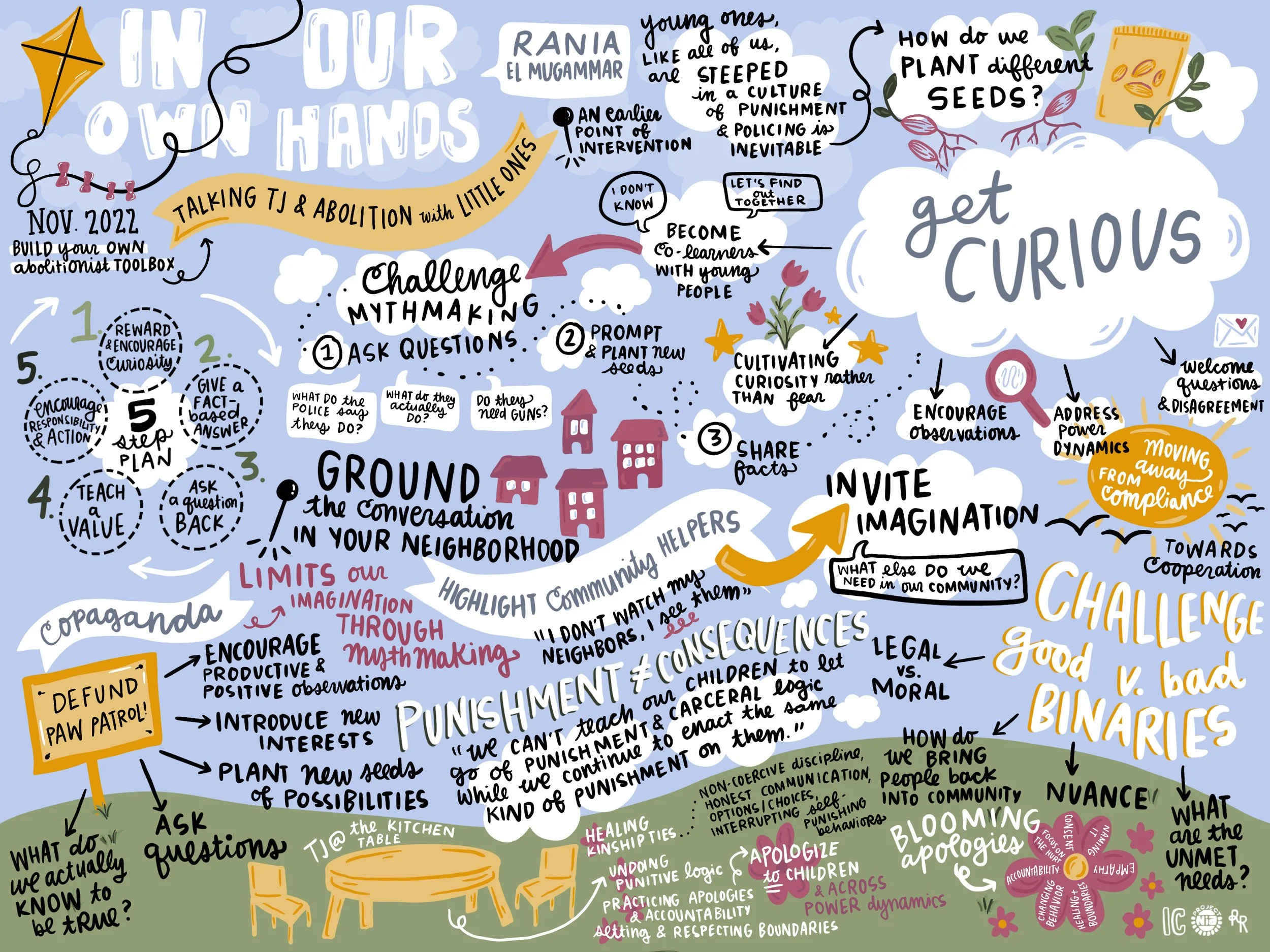
Workshop: In Our Own Hands: Talking Transformative Justice & Abolition with Children
This session explores tools and strategies for co-learning about transformative justice & abolition with little ones. Focusing on everyday and organized resistance, the session empowers families, communities, and children with some of the foundational questions and interventions that enable us to get closer to a just world. The workshop is grounded in imagination and possibility as core approaches to liberation.
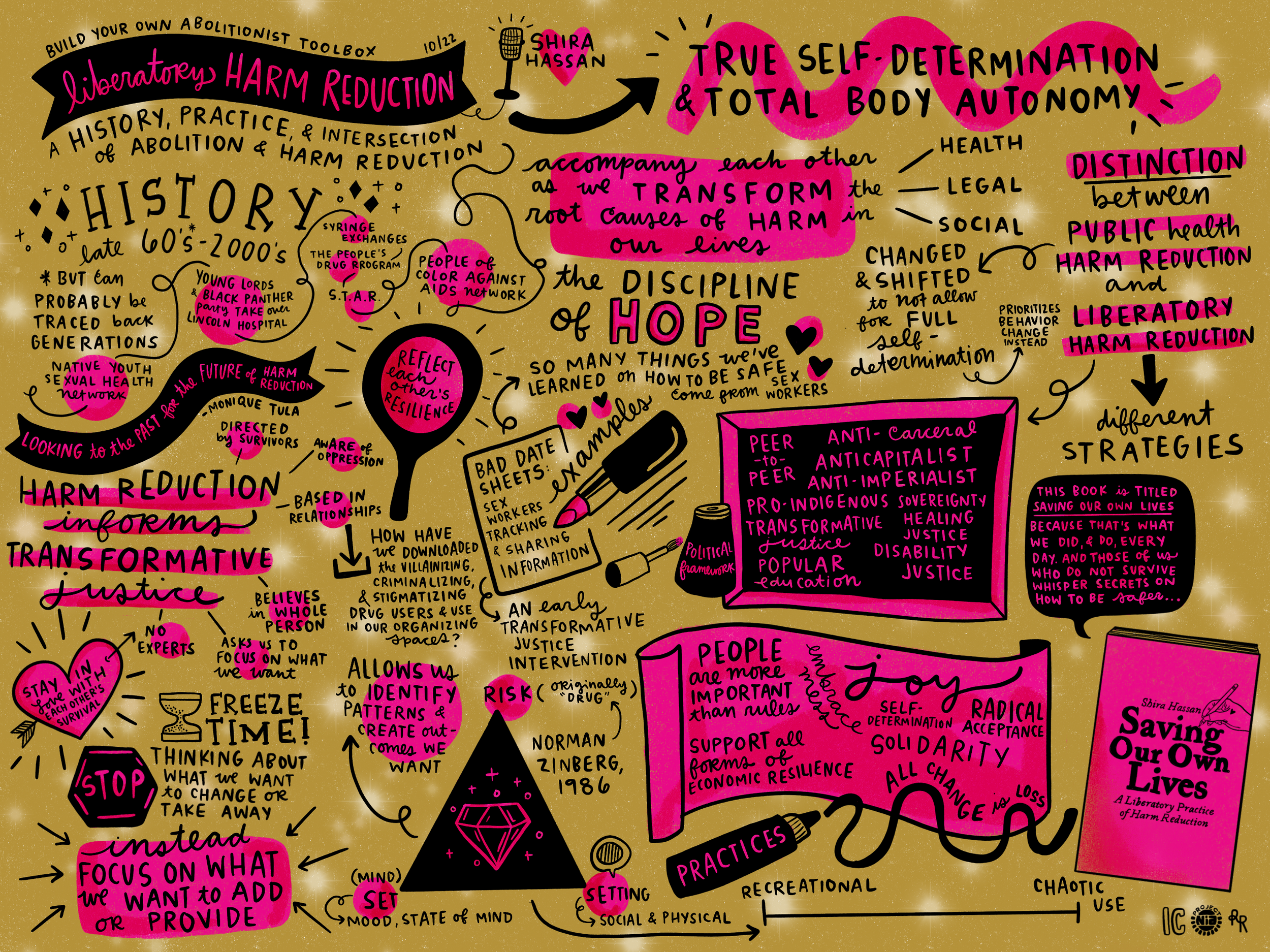
Workshop: Liberatory Harm Reduction
Liberatory Harm Reduction is one of the most important interventions of the 20th century; we often (mis)attribute it as a behavior change invention of public health. Come hear the radical roots and collective story of Liberatory Harm Reduction and learn from the life affirming practices of drugs users, people in the sex trade and street economy, of sex workers, people who self injure, have eating disorders, have disabilites or are chronically ill- all radical political organizers who have taught us how to save our own lives and fall in love with each other's survival strategies.
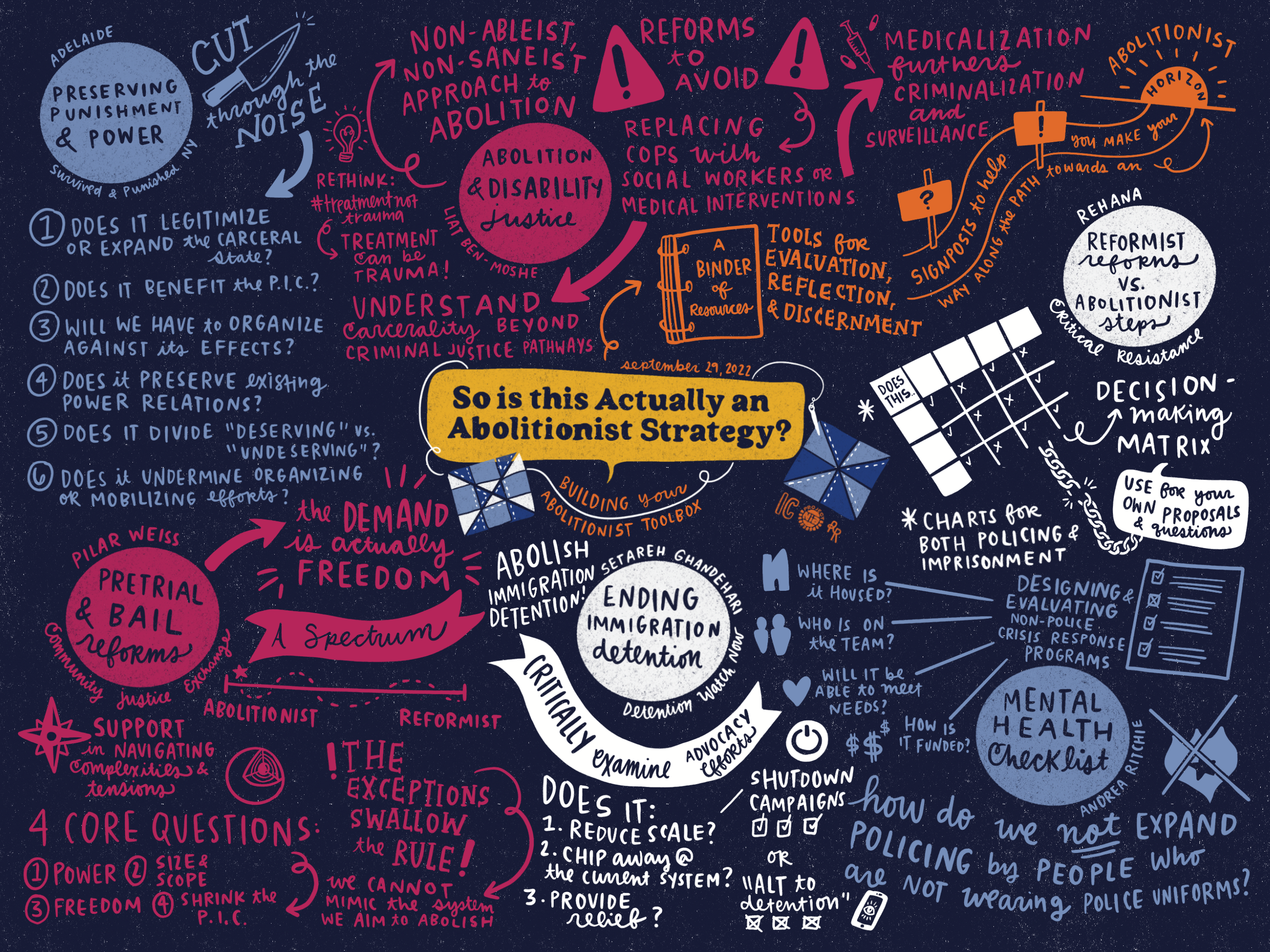
Workshop: So is this Actually an Abolitionist Proposal or Strategy?
Join Interrupting Criminalization co-founders Mariame Kaba, Andrea J. Ritchie, and guests as we explore our latest resource So is this Actually an Abolitionist Proposal or Strategy?, a collection of resources to aid in evaluation and reflection compiled by Interrupting Criminalization, Project Nia & Critical Resistance.
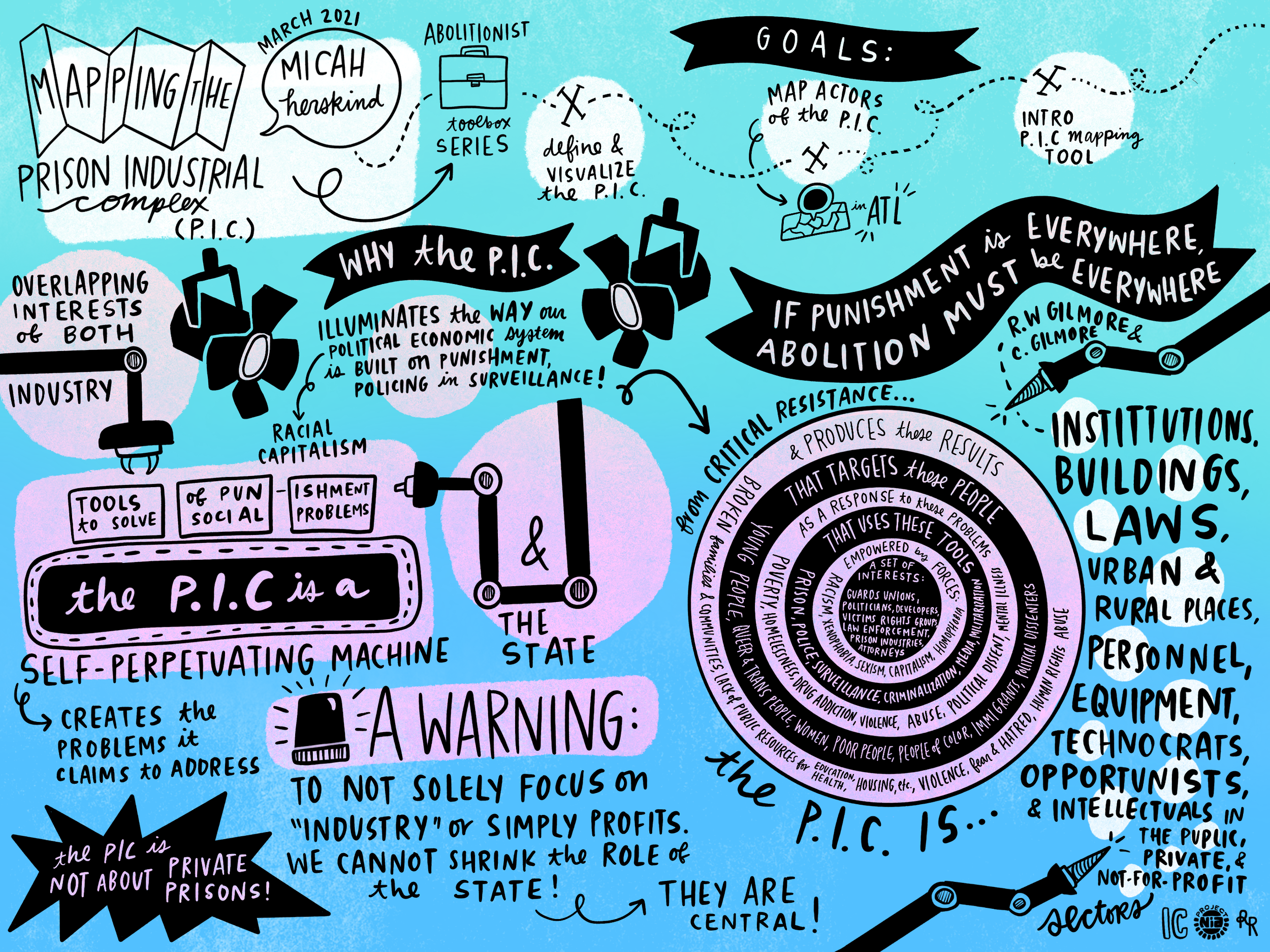
Workshop: Mapping the Prison Industrial Complex
This workshop will use a recent example of the PIC in Atlanta—whose actors promoted the construction of a massive police training facility despite overwhelming public opposition—to begin mapping the web of interests that make up the local PIC. Looking at the police, government actors and elected officials, corporations and developers, media, nonprofits, and others, we’ll draw connections between the many entities that perpetuate, expand, and rely upon the punishment system. We’ll ask what each of these actors’ stake in the punishment system is, and highlight the resistance from #StopCopCity organizers who are still working to stop the construction. Attendees will leave with a tool to aid in mapping the PIC in their locality.
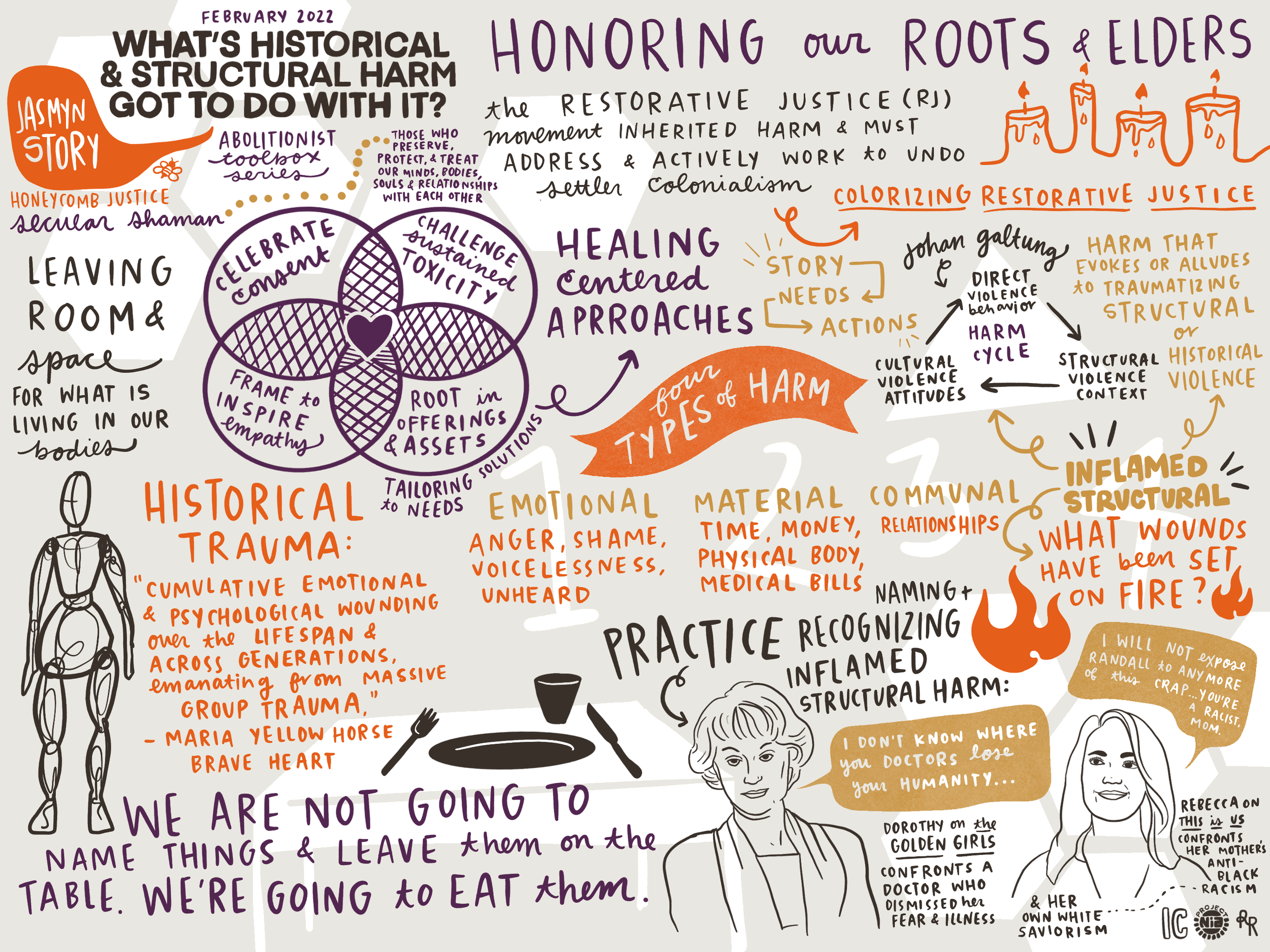
Workshop: What’s Structural Harm Got To Do With It?
This session is about understanding harm from all aspects of our being. In our journey to witness, support, acknowledge, and heal, we can expand our understanding of moments of conflict, violence, or discord if we leave room for exploring the role structural and historical violence played in both the intent and the impact. We will discuss how structural and historical harm interplay with intergenerational and life span trauma. This trauma is deserving of support and witnessing in our processes.
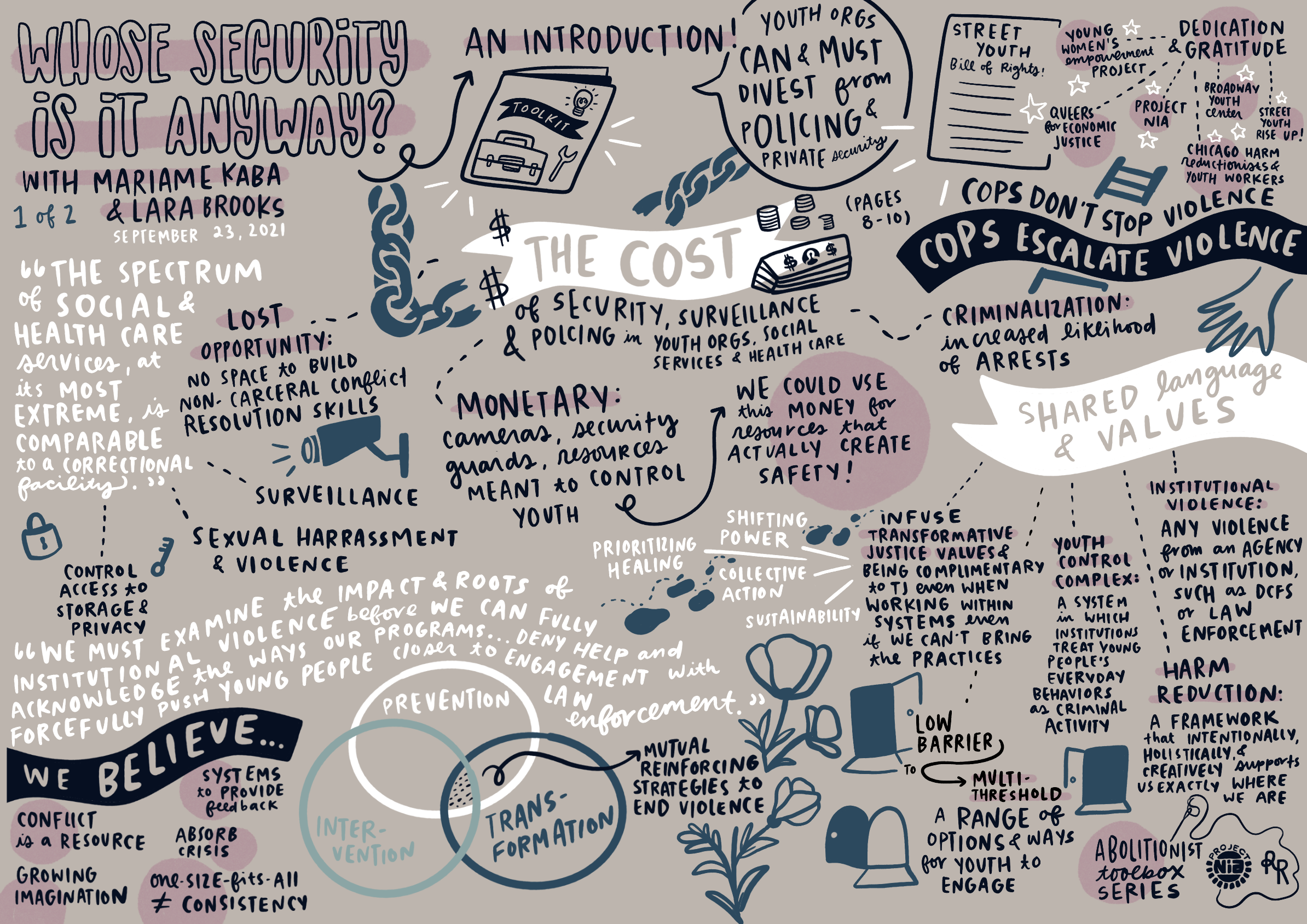
Workshop: Whose Security Is It Anyway?
This resource explores a neglected area of focus in the marginalization and criminalization of young people: the non-profit industrial complex. Heightened racialized surveillance and increasing state violence, particularly against BIPOC individuals, has also led to increased collusion and reliance on law enforcement within these spaces.

Workshop: Against Punishment Curriculum
How do we imagine a world without prisons and policing? Transforming our punishment mindsets is a daily discipline. Punishment is so deeply ingrained that we fail to even notice how we enact it in our lives. It takes practice to uproot it and to focus on being more restorative in our interactions.
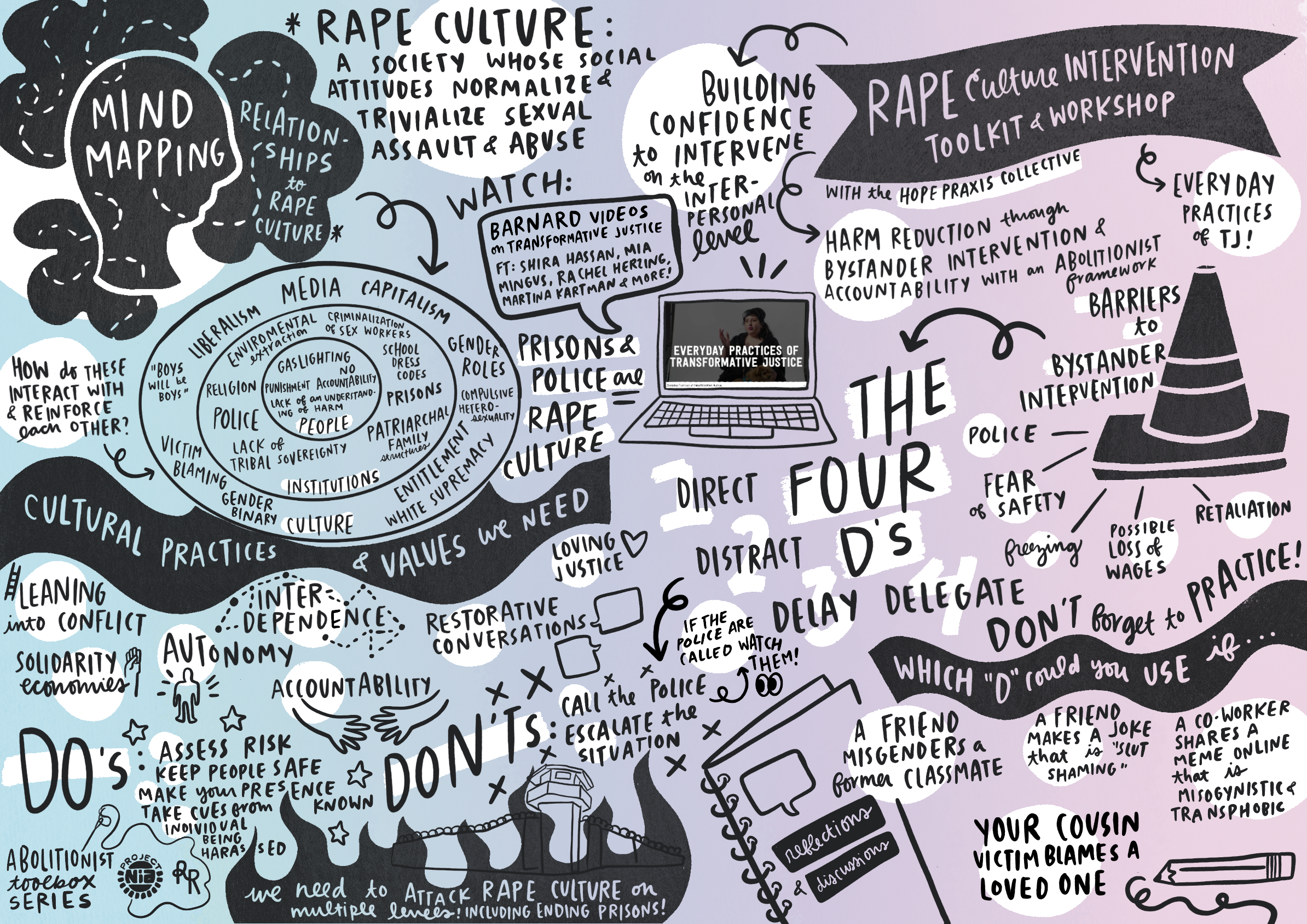
Workshop: The Rape Culture Intervention Curriculum
The Rape Culture Intervention Toolkit was inspired by Mia Mingus's quote "death by a thousand little cuts" — a reference to the way that we do a terrible job of responding to the kind of lower-level harm that often leads to an accumulation of unchecked trauma. The objectives of the curriculum are to provide people with an understanding of how rape culture maintains the status quo in the US (and abroad), identify what power we have to check and transform rape culture, and to provide people with skills on how to make amends for harm from an abolitionist perspective.
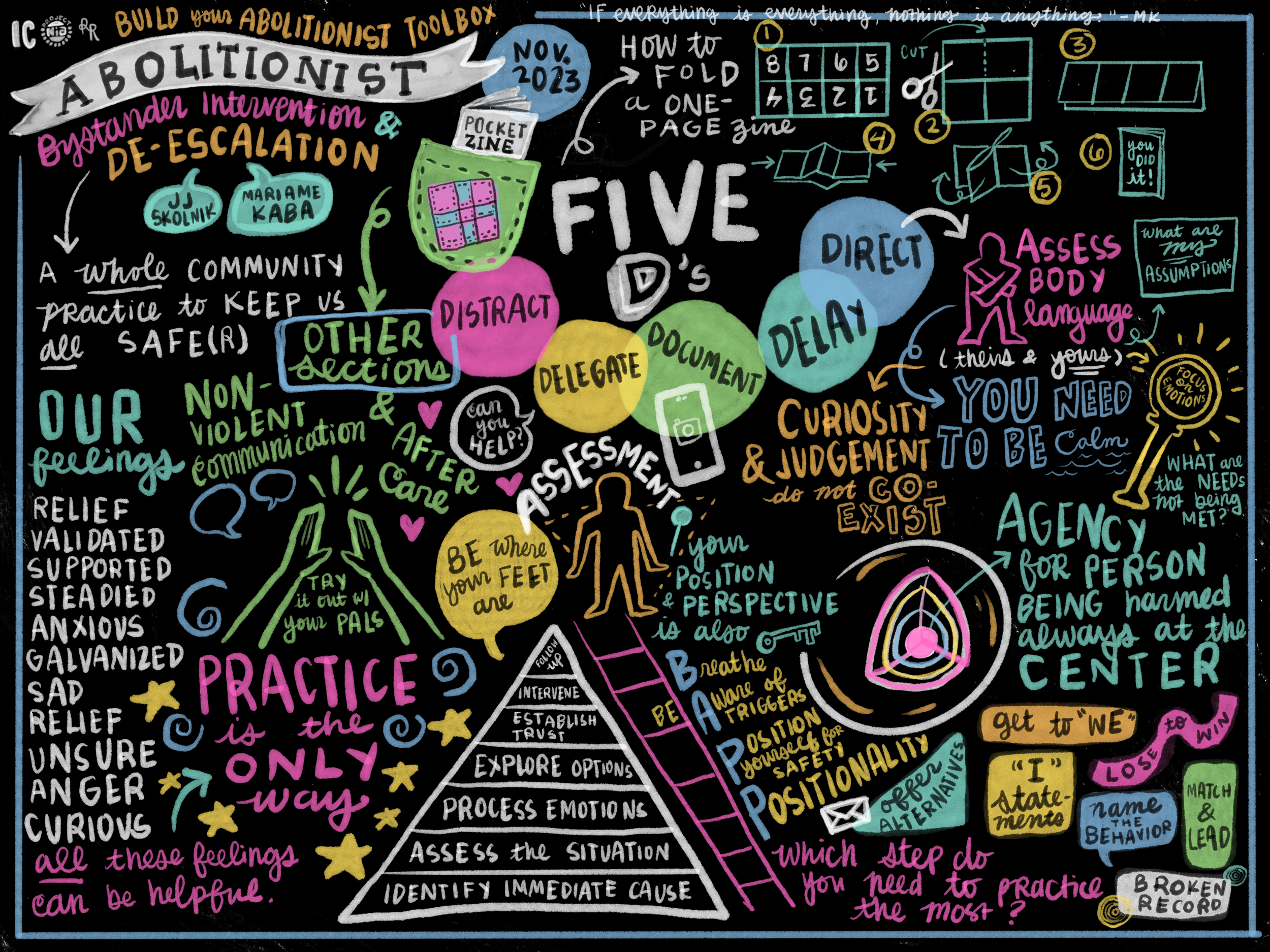
Workshop: Abolitionist Bystander Intervention for Youth
In this session, JJ and Mariame introduced our new pocket zine for a mini-training that is good for any abolitionist and particularly geared towards youth.
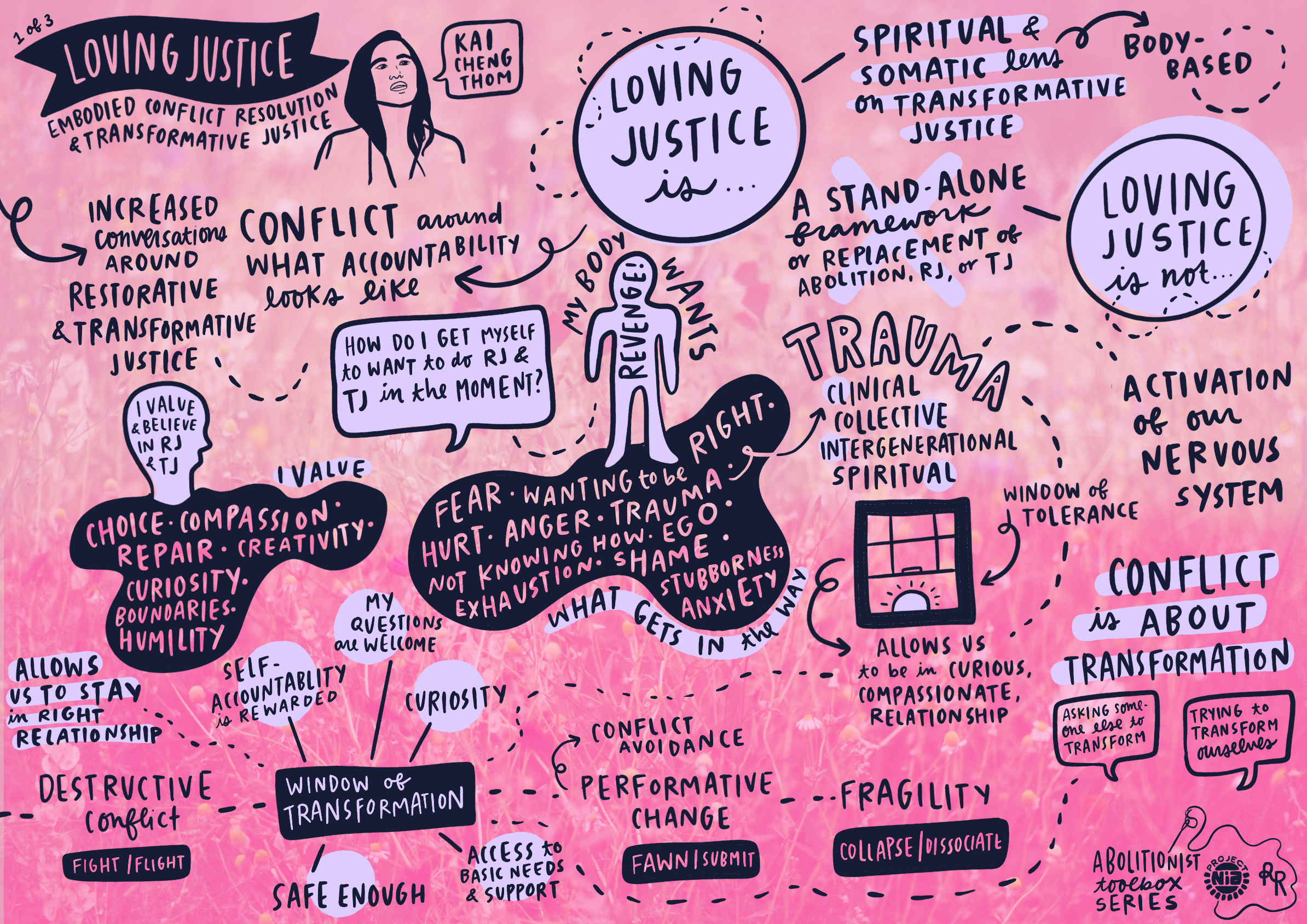
Workshop: Loving Justice
How do we develop the skills to embody TJ in our day-to-day lives? Kai Cheng Thom's Loving Justice Framework is a somatic and spiritual lens that is intended to help people stay grounded and mindful in situations of interpersonal and systemic conflict. Kai Cheng will present the basics of Loving Justice and provide some practical, trauma-informed tools for participants to take home.
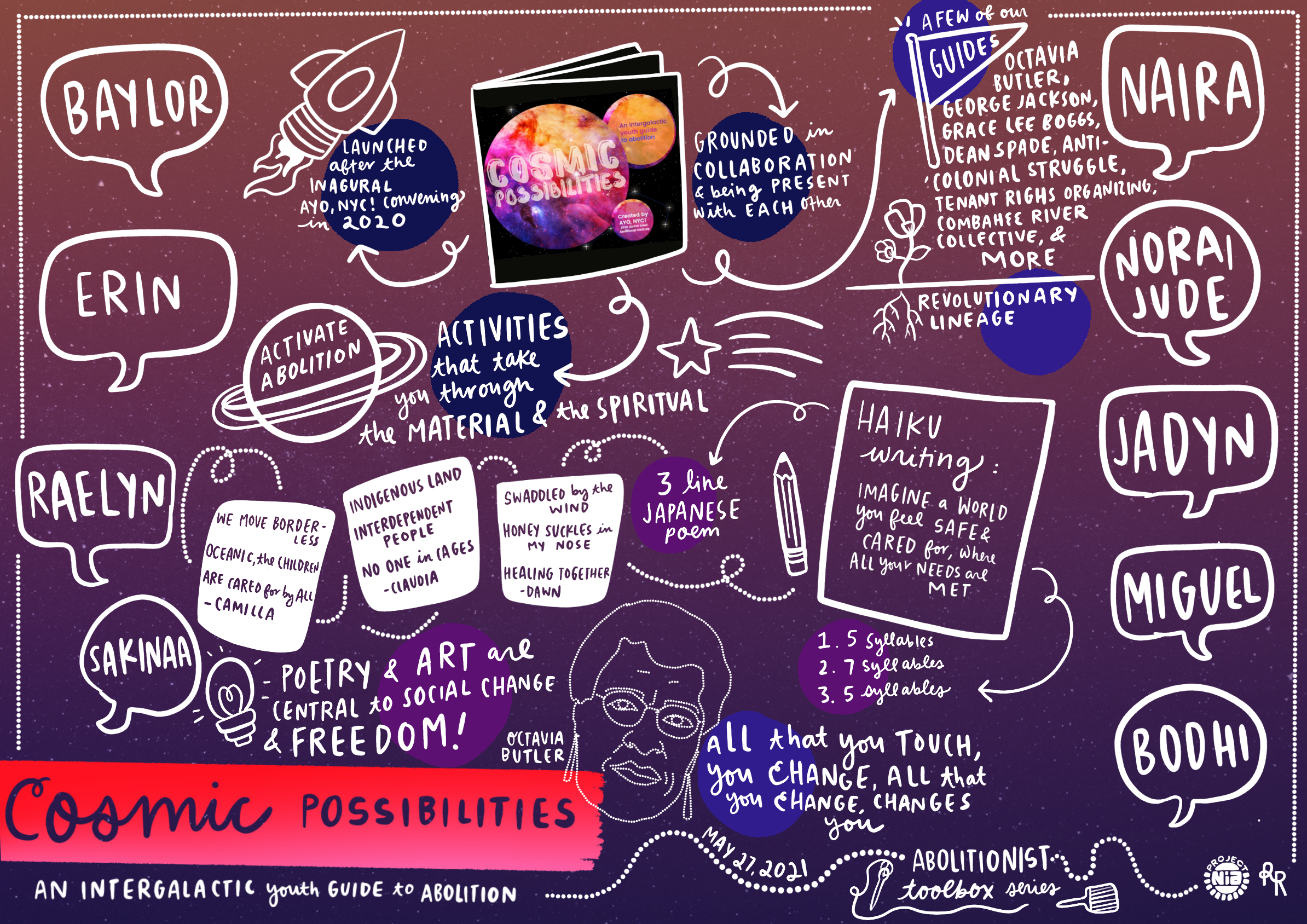
Workshop: Cosmic Possibilities
We know that abolitionist futures are possible. In order to create them, we begin by dreaming ourselves into those futures. Cosmic Possibilities is a creative and reflective dreamspace made by and for young people to imagine these liberatory new worlds. What does it look like when our abolitionist visions for the world are realized? What did it take to get us there?

Workshop: A Restorative Conversation Toolkit
What is a restorative conversation? How do we ground our conversations in seeing each other's humanity? Explore “A Restorative Conversation Toolkit” and learn about restorative justice values and principles, the goals and strategies of restorative conversations, and how to craft your own restorative questions.

Workshop: Get in Formation
“Get in Formation: A Community Safety Toolkit” is a collection of security and safety practices built by years of learning from Black, Indigenous, and People of Color movements within the U.S.

Workshop: Criminalizing Survival
Join Project Nia founder Mariame Kaba for a presentation on the "Criminalizing Survival Curricula" made in conjunction with Survived & Punished. Criminalizing Survival includes curriculum units and activities that can be used for political education focused on the intersections between racialized gender-based violence and criminalization.

Workshop: Turning Towards Each Other
Jovida Ross and Weyam Ghadbian wrote the Turning Towards Each Other Conflict Workbook with the hopes of supporting people working towards social justice to build our collective conflict resilience and strengthen relationships, movements, and collective wellbeing.