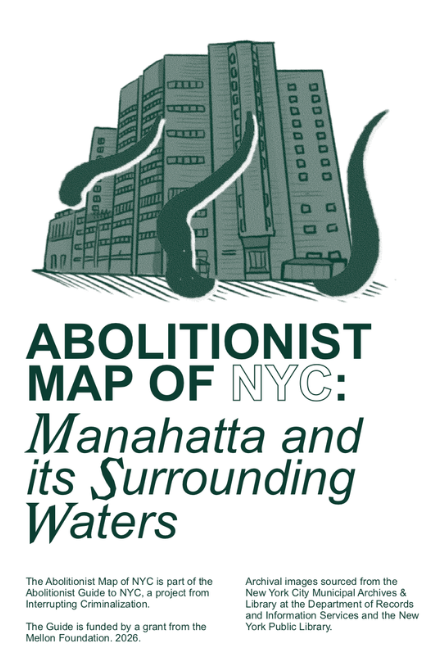
Abolitionist Guide to NYC
Coming in Fall of 2026, the Abolitionist Guide to NYC is a free and publicly accessible guidebook that will provide a historical and geographic survey of jails and prisons in Manhattan from the Dutch colonization of Lenapehoking to the present day. The first project from the guide is the Abolitionist Map of NYC, which offers a geographic survey of incarceration and anti-carceral resistance in these areas.
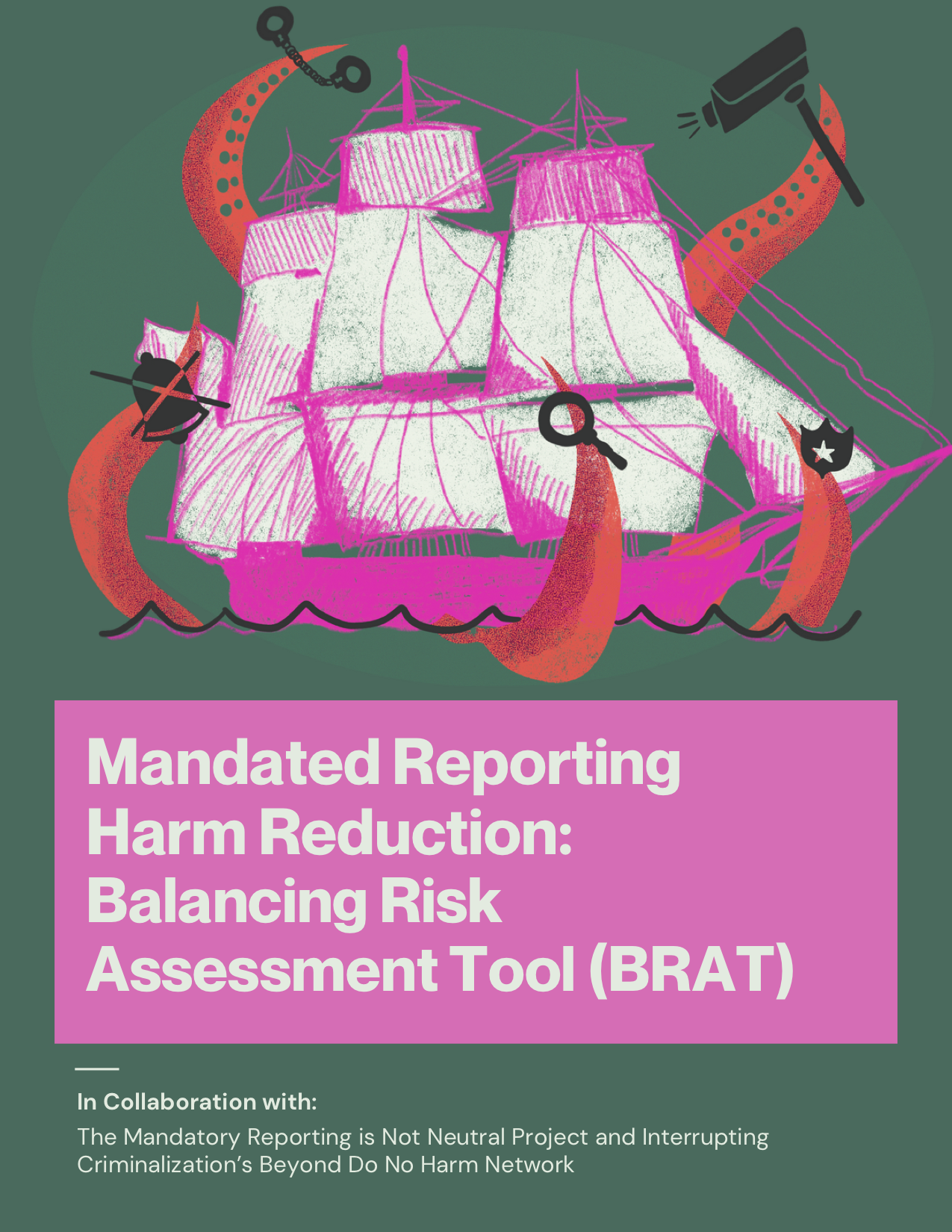
Mandated Reporting Harm Reduction: Balancing Risk Assessment Tool (BRAT)
A collaborative resource on harm reduction and navigating risk in mandated reporting. This tool outlines some of the most common questions practitioners and community-based groups encounter when navigating the realities of mandated reporting.

Block It!
A mini toolkit to take action to disrupt the ICE kidnapping, detention, and deportation machine. This online resource is an invitation to join efforts already in motion in your area and across the country to protect our community members — or to start your own, or to take action wherever and however you can.

Loving and Protecting Us
A resource for people interested in and working to develop abolitionist crisis response rooted in transformative justice. This offering aims to help demystify a few things about how we develop, think about, and create these organizations and formations, and how we sustain them.
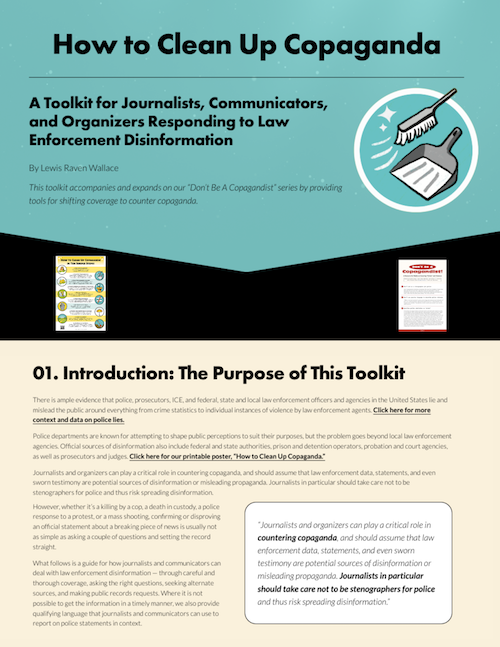
How to Clean Up Copaganda
An online toolkit for journalists, communicators, and organizers responding to law enforcement disinformation. This virtual resource accompanies and expands on our “Don’t Be A Copagandist” series by providing tools for shifting coverage to counter copaganda.

Block & Build
Inspired by “Block & Build” sheets circulating, Interrupting Criminalization offers an abolitionist take on strategic frameworks for fighting Right-wing, authoritarian, and fascist agendas and regimes.
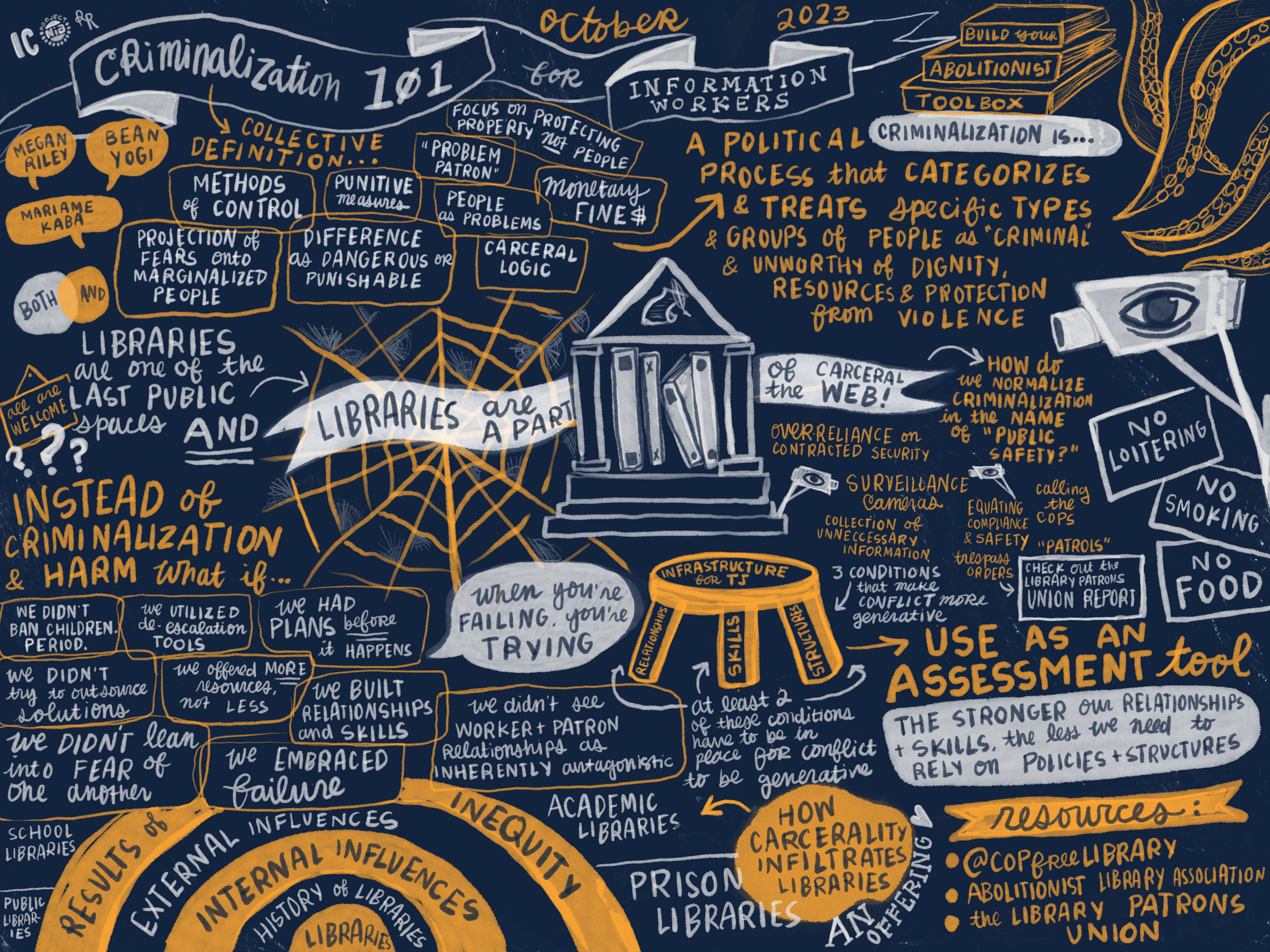
Workshop: Criminalization 101 for Information Workers
In this teach-in the For The People Leftist Library Project (FTP) covered the various intersections of libraries, library work, and criminalization, including surveillance and privacy issues, retribution against library workers, social work and social services, and more. The session included power mapping, resource-sharing, and opportunities for discussion.
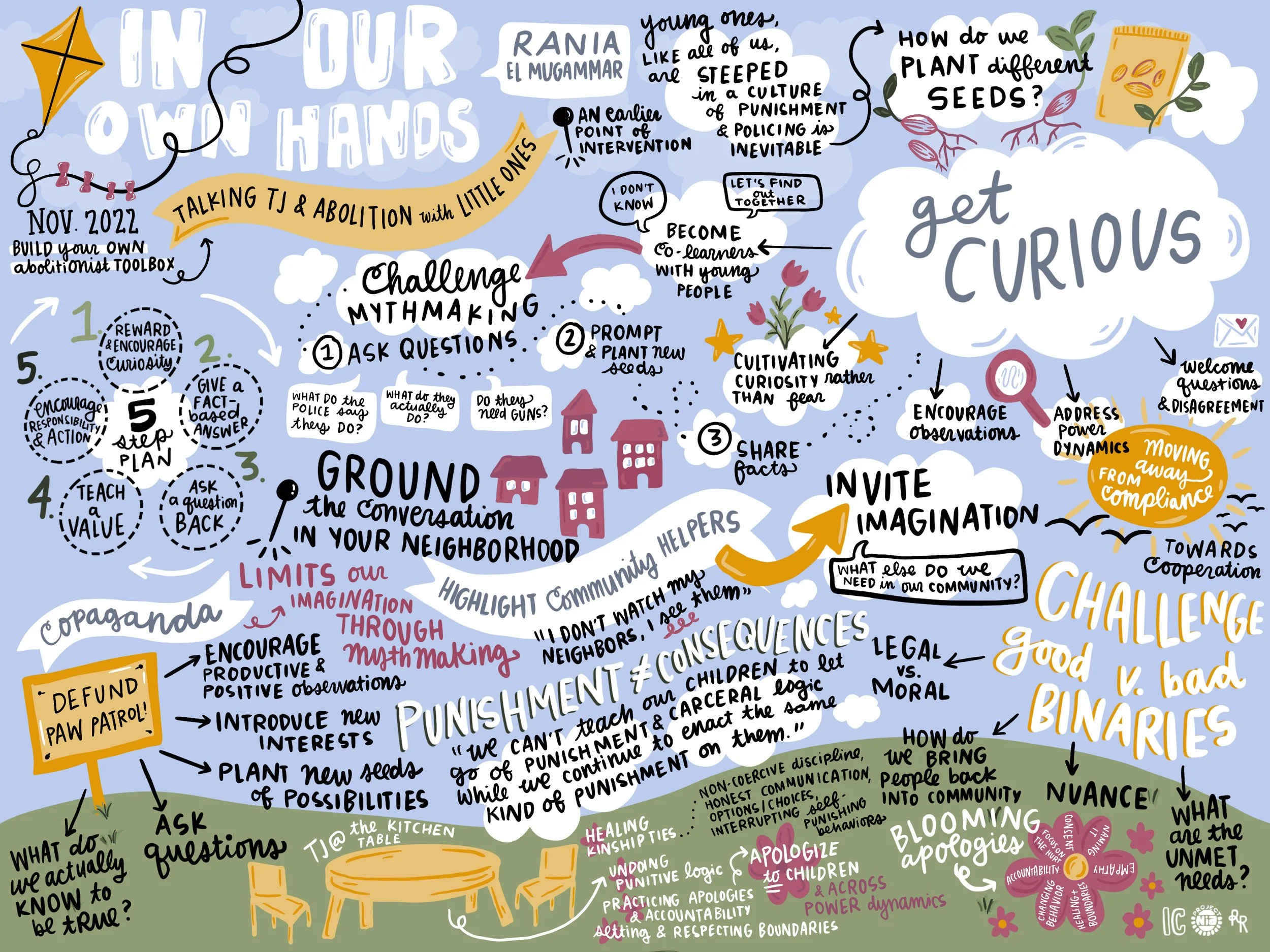
Workshop: In Our Own Hands: Talking Transformative Justice & Abolition with Children
This session explores tools and strategies for co-learning about transformative justice & abolition with little ones. Focusing on everyday and organized resistance, the session empowers families, communities, and children with some of the foundational questions and interventions that enable us to get closer to a just world. The workshop is grounded in imagination and possibility as core approaches to liberation.
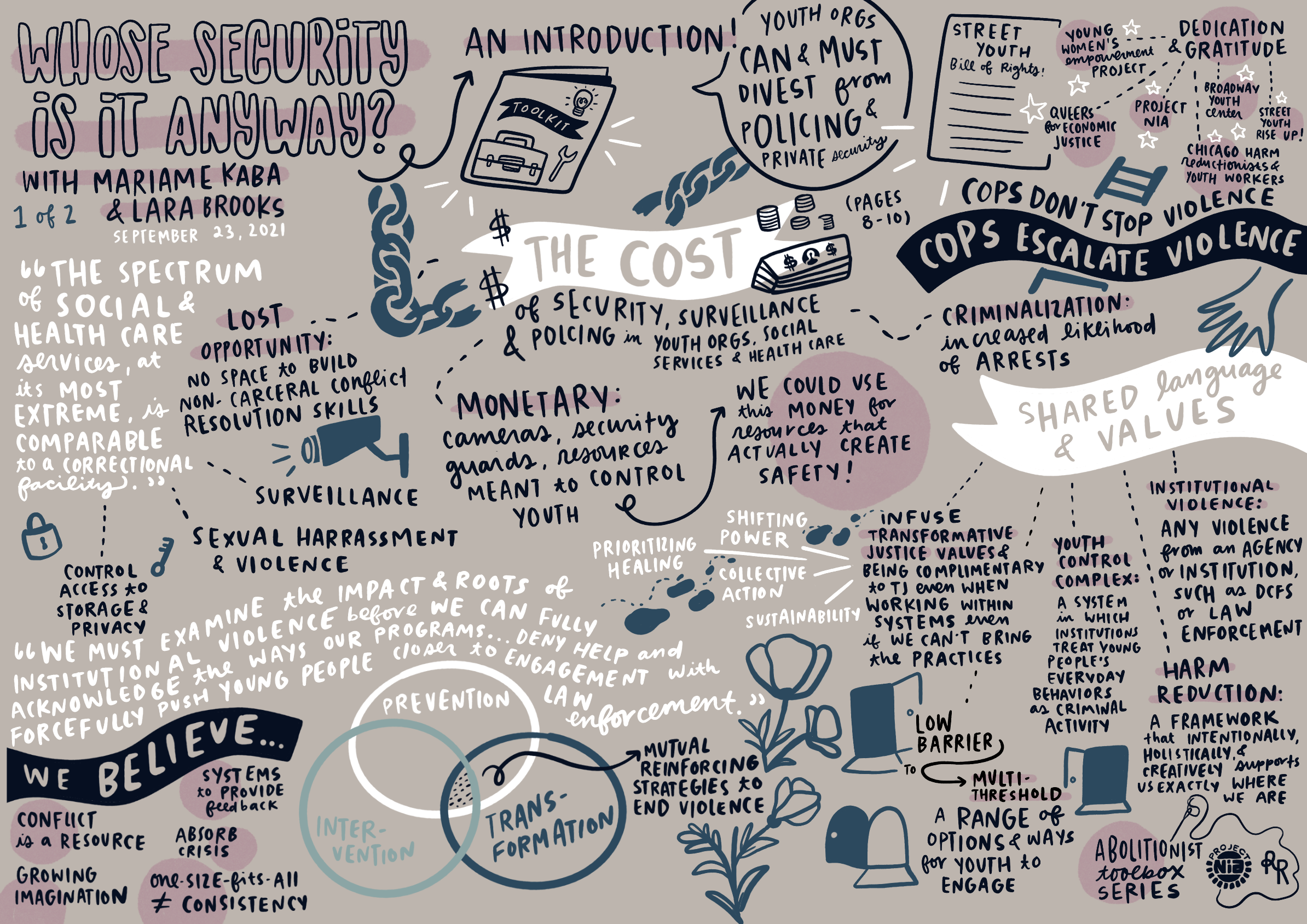
Workshop: Whose Security Is It Anyway?
This resource explores a neglected area of focus in the marginalization and criminalization of young people: the non-profit industrial complex. Heightened racialized surveillance and increasing state violence, particularly against BIPOC individuals, has also led to increased collusion and reliance on law enforcement within these spaces.
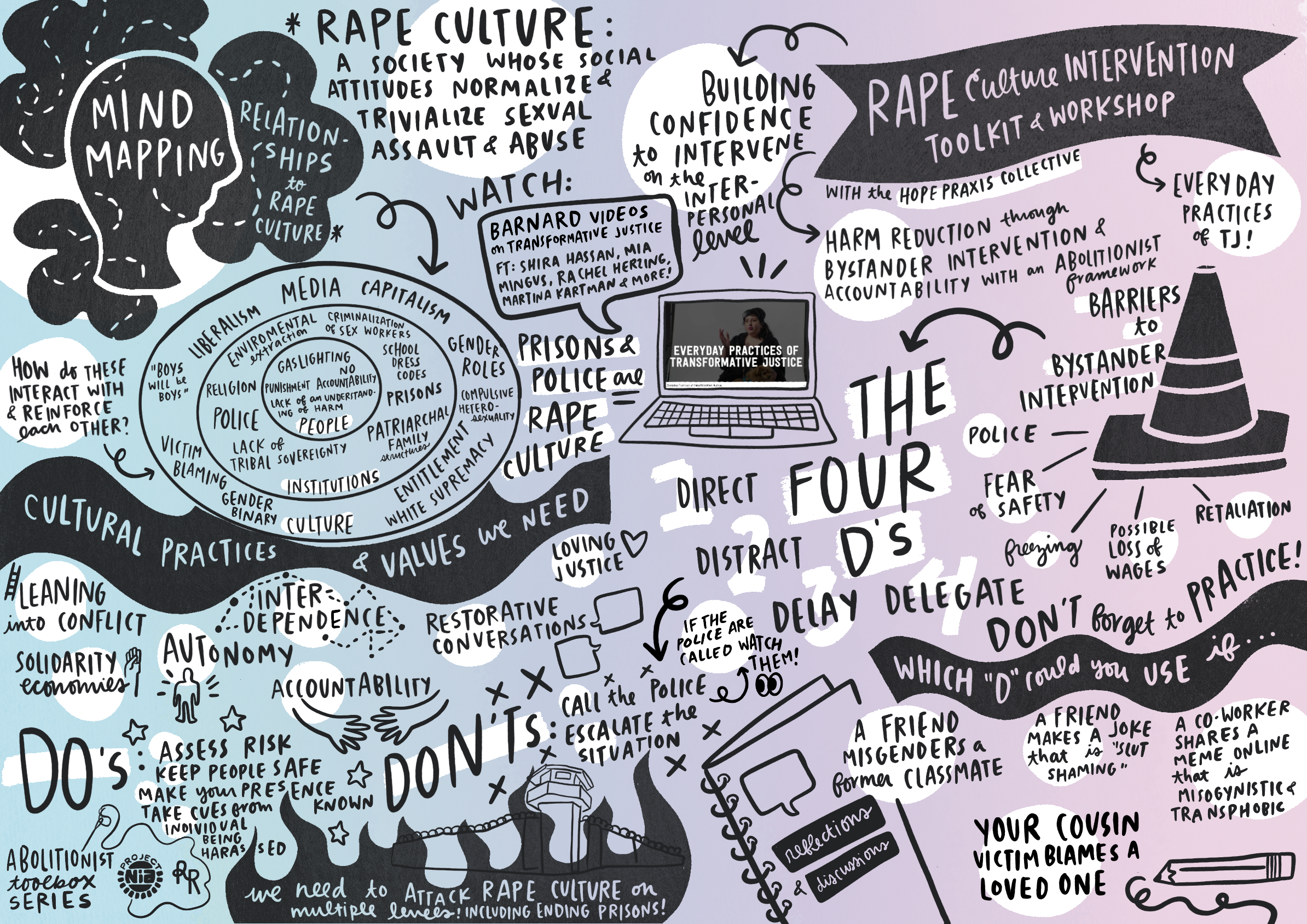
Workshop: The Rape Culture Intervention Curriculum
The Rape Culture Intervention Toolkit was inspired by Mia Mingus's quote "death by a thousand little cuts" — a reference to the way that we do a terrible job of responding to the kind of lower-level harm that often leads to an accumulation of unchecked trauma. The objectives of the curriculum are to provide people with an understanding of how rape culture maintains the status quo in the US (and abroad), identify what power we have to check and transform rape culture, and to provide people with skills on how to make amends for harm from an abolitionist perspective.
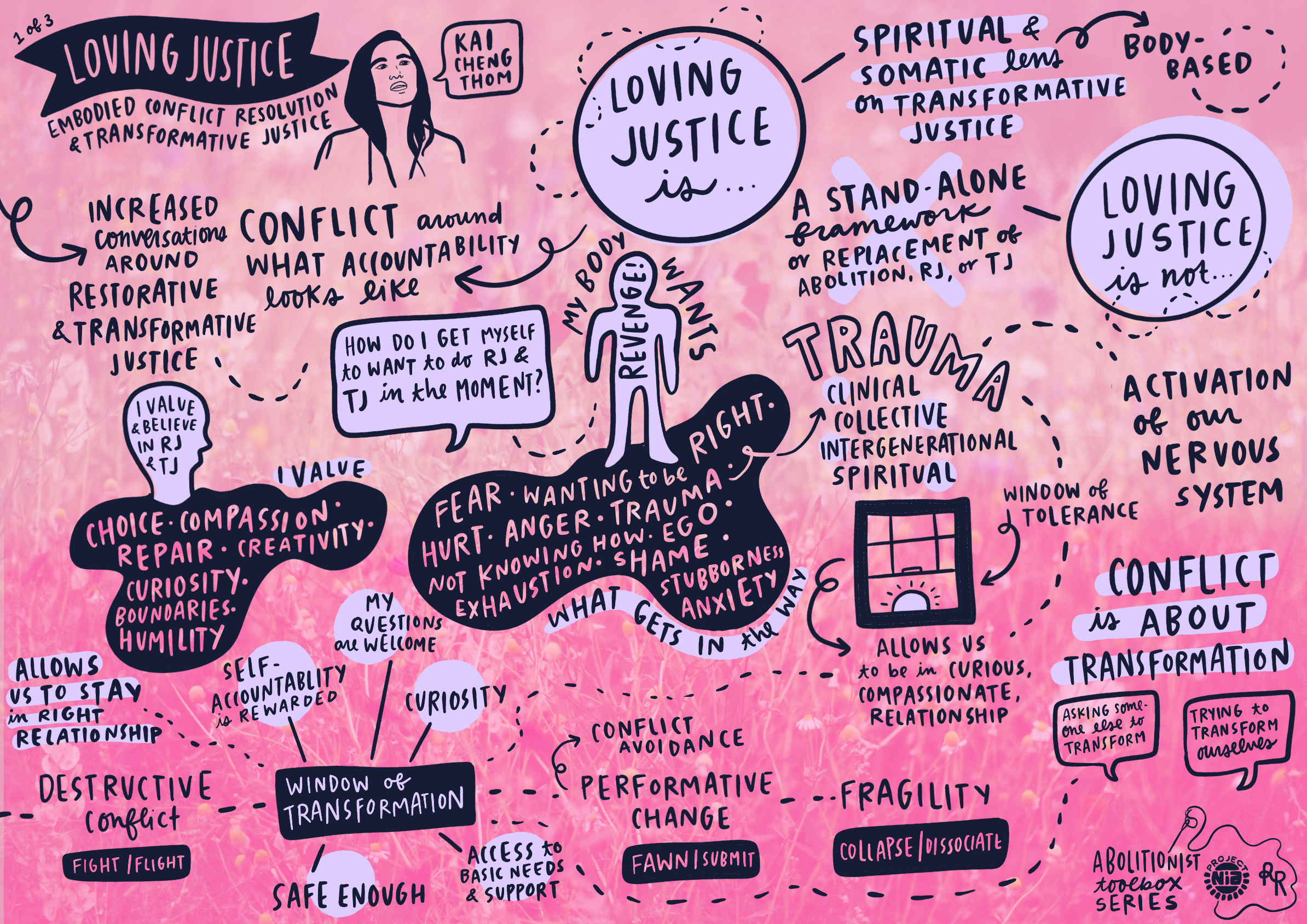
Workshop: Loving Justice
How do we develop the skills to embody TJ in our day-to-day lives? Kai Cheng Thom's Loving Justice Framework is a somatic and spiritual lens that is intended to help people stay grounded and mindful in situations of interpersonal and systemic conflict. Kai Cheng will present the basics of Loving Justice and provide some practical, trauma-informed tools for participants to take home.

Workshop: A Restorative Conversation Toolkit
What is a restorative conversation? How do we ground our conversations in seeing each other's humanity? Explore “A Restorative Conversation Toolkit” and learn about restorative justice values and principles, the goals and strategies of restorative conversations, and how to craft your own restorative questions.

Workshop: Get in Formation
“Get in Formation: A Community Safety Toolkit” is a collection of security and safety practices built by years of learning from Black, Indigenous, and People of Color movements within the U.S.

Workshop: Turning Towards Each Other
Jovida Ross and Weyam Ghadbian wrote the Turning Towards Each Other Conflict Workbook with the hopes of supporting people working towards social justice to build our collective conflict resilience and strengthen relationships, movements, and collective wellbeing.

Workshop: Creating Community in Classrooms
What are the building blocks for sharing space and how can we use them to address our needs as learners and educators? In this session, we will use the resource "How to Share Space: Creating Community in Classrooms and Beyond" as a springboard to explore the opportunities presented by these changing norms and the challenges they bring.

Workshop: Restorative Justice Circles at Home
How can we use family Talking Circles to deepen our closest relationships with honest and open communication? What would it mean to intentionally create our own family values? We'll explore these questions and more using the new resource "Talking Circles At Home and Parenting Restoratively" by longtime Restorative Justice practitioner Jennifer Viets.

What’s Next
We hope that this guide will empower you to begin building a police-free future in your community and provide you with some strategies for ensuring this.

#DefundPolice Toolkit
Concrete Steps Toward Divestment from Policing & Investment in Community Safety


Research Across The Walls
A Guide to Participatory Research Projects & Partnerships to Free Criminalized Survivors (Survived & Punished)